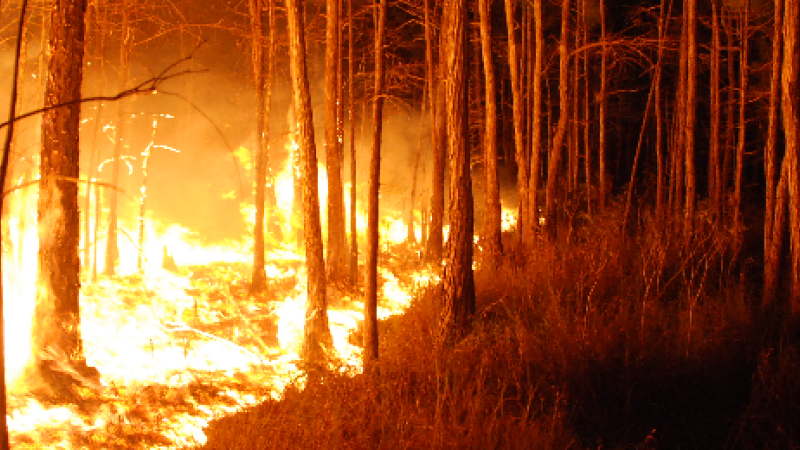
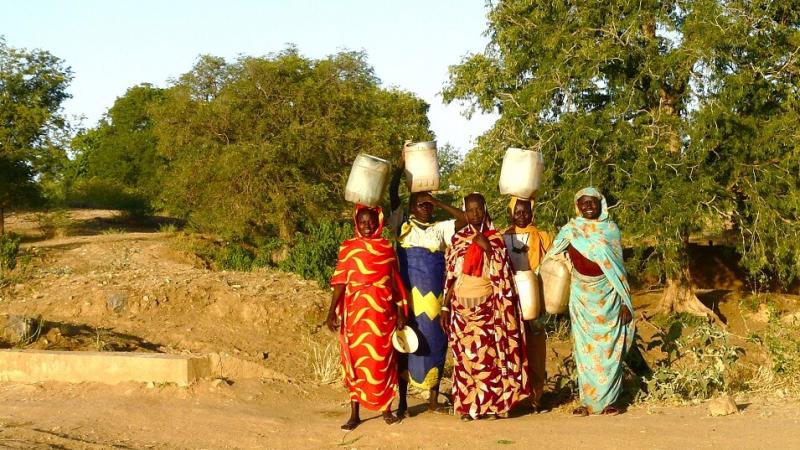
The triple planetary crisis of climate change, biodiversity loss, and pollution poses an increasing threat to the environment and the economy. The Environmental Outlook aims to support an integrated policy approach that considers common drivers, pressures, and mutually reinforcing effects of climate change, biodiversity loss, and pollution.

Improving decentralised natural resource management in the Sahel

  • sahel
  • Mali
  • Resource scarcity
  • Conflict
The Inter collectivité du Sourou developed an Integrated and Sustainable Development Programme (ISDP) that defined concrete actions to implement the Sustainable Development Goals (SDGs) in the Sourou river plain in Mali. A new policy brief by the Clingendael Institute outlines how the effective decentralization of power was achieved through an inclusive rather than a ‘rubber stamp’ approach.

The nuclearisation of the Russian Arctic: New risks

  • Russia
  • arctic
  • environmental security
During the Cold War, the Soviet Union kept a significant portion of its nuclear-weapons arsenal in the Arctic. Russia’s inability to effectively deal with this nuclear legacy created the potential for an environmental catastrophe. A new policy brief by the European Leadership Network (ELN) looks into the growing risks of nuclear incidents in the Russian Arctic, and proposes concrete transparency and confidence-building measures to limit them.
The second report in the “Migration, environment and climate change” by IOM explores some of the main ways in which environmental change and migration have been linked to date. In addition to the environmental influences, the report considered critical economic, political, demographic and social factors, such as level of socio-economic development, resource scarcity, governance frameworks, population growth, and urbanisation.

Webinar highlights “Climate Interventions & Peace in the Age of Covid-19”

  • climate security
  • climate change
  • Conflict
  • Military
On 19 June, Planetary Security Initiative (PSI) hosted a webinar to discuss climate-security nexus from a military, diplomacy and development perspective. Four experts shared their insights related to ‘climate Interventions and Peace in the age of Covid-19’ and answered the audience questions. Read the highlights and watch the webinar here.

COVID-19 & climate change redefining the national security of the U.S.

  • Climate Risk
  • Military
  • foreign policy
Should the national security of the United States adapt to the twin global emergencies of COVID-19 and climate change? In this article, the author argues that as the dangers of pandemic disease and global warming become definite and present, the U.S. foreign policy establishment is forced to reassess its conventional conceptions of national security.

New tool to understand & measure climate risks in coastal cities

  • climate security
  • Climate Risk
  • urban risks
The impact of climate change on coastal cities has increased in recent years. As a result, livelihoods of the residents of these cities are under high-pressure. Governments and financial institutions need a localised risk information tool to help them safeguard residents and their livelihoods where there are only limited resources to use. The Climate and Ocean Risk Vulnerability Index (CORVI) is developed by Stimson Center to meet the growing need for a developed risk assessment tool.