The “Central Asia Young Water Diplomats programme” implemented by the Clingendael Institute and IHE Delft, 2024-2026, brought together young water diplomats from Centr

Consortium partner HCSS examines the relationships between urbanization and conflict from multiple angles, based on data-driven research. Subsequently, the study considers the consequences for urban governance, and provides suggestions on how cities and national governments can improve cooperation on urban security together with other relevant stakeholders.
On 26 February 2018, the EU Foreign Affairs Council adopted conclusions on climate diplomacy. It marks the formal signaling of EU’s Foreign Ministers to make the nexus between climate and security a priority.
On February 27,2018, The Hague Based JASON Institute will hold a public event on the "Impact of Water Stress on Global Security". PSI consortium expert Tobias von Lossow (Clingendael) will give a lecture on "Water and Conflict: Scarcity, Dispute and Weaponization".
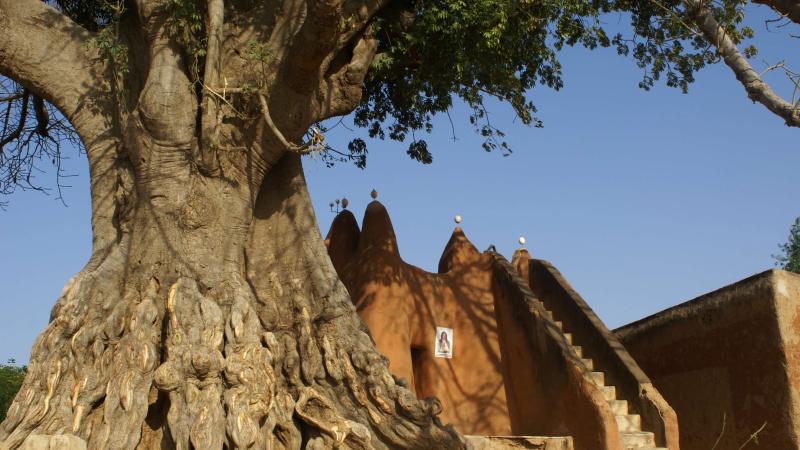
Le centre du Mali est miné par des litiges fonciers et des droits contestés relatifs aux sites de pâturage et d’abreuvement. La communauté internationale sous-estime ces litiges. Pourtant, comme le montre la présente note de politique, les litiges locaux relatifs aux ressources ne sont pas de simples affaires personnelles mais plutôt des facteurs déstabilisants pour des communautés entières.
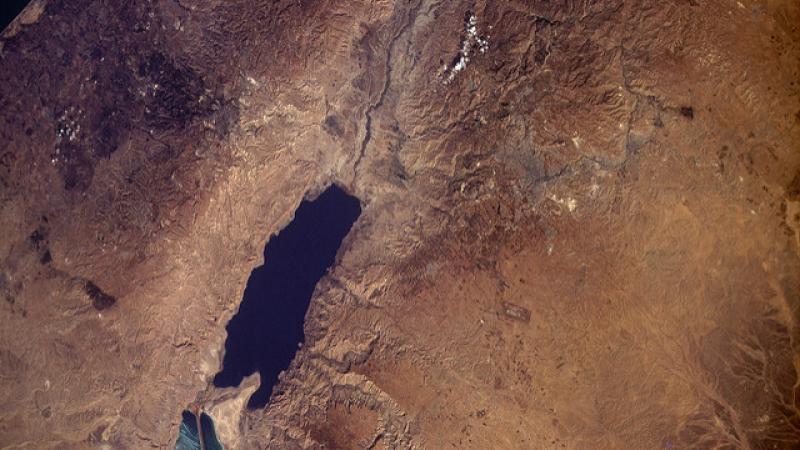
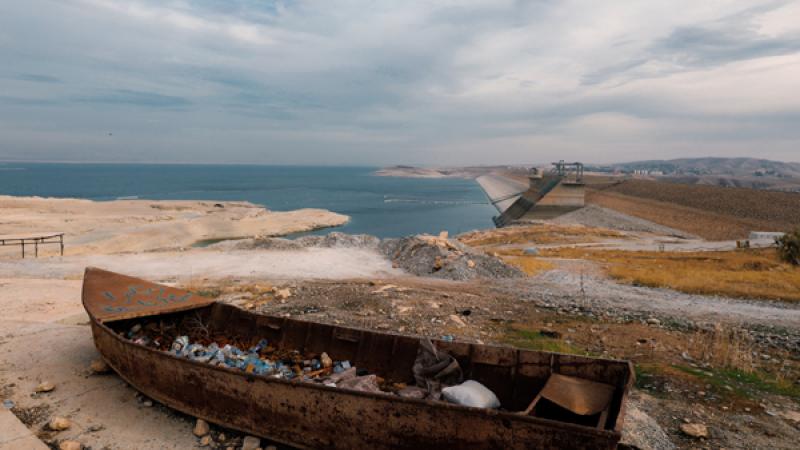
PSI consortium expert Mr. von Lossow discussed the weaponisation of water in Syria and Iraq, the risks for water infrastructures in post-conflict settings, and potential entry points for protecting dams and water facilities.
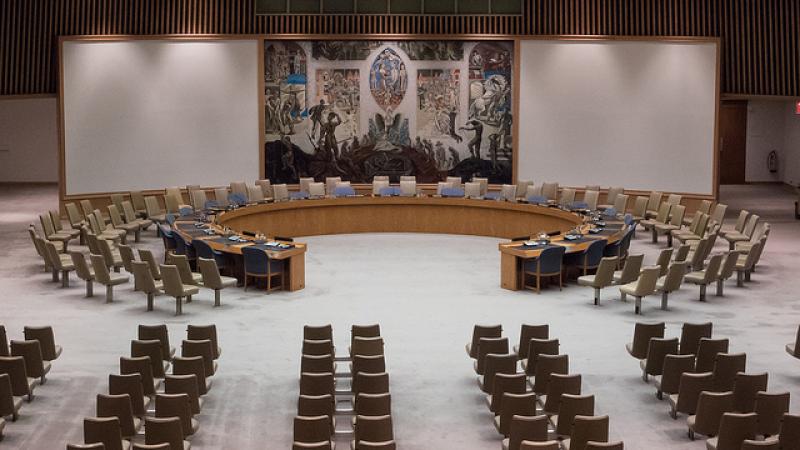
On January 30, the UN Security Council (UNSC) took another step forward in substantively addressing the security implications of climate change, expanding a previous resolution on Lake Chad, with the inclusion of West Africa and the Sahel