Photo credit: Reuters. Smoke and fire are seen near a high-voltage line at a site of a Russian missile strike, amid Russia's attack on Ukraine, outside Kharkiv, Ukraine, March 22, 2024.

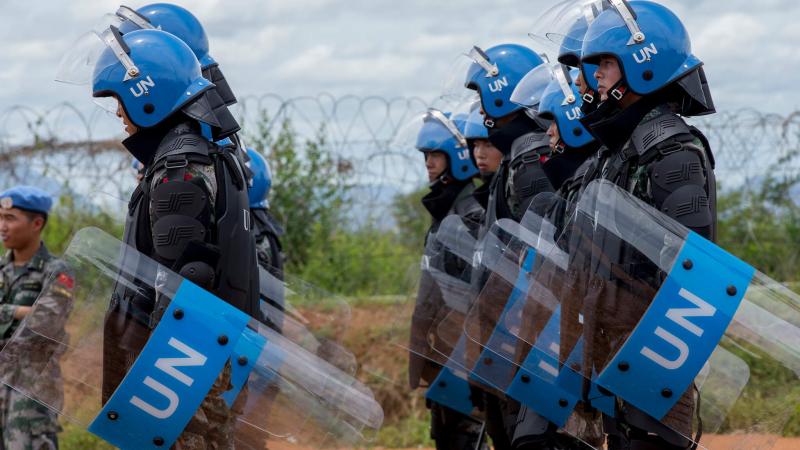
What if the hundreds of millions of dollars spent each and every year burning fossil fuels to power peacekeeping and humanitarian efforts could instead create lasting energy infrastructure powered by the wind and the sun? This article explores how renewable energies in could lay the foundation for the utilities of the future in a post-crisis phase and assist communities to reap the development benefits associated with increased energy access.
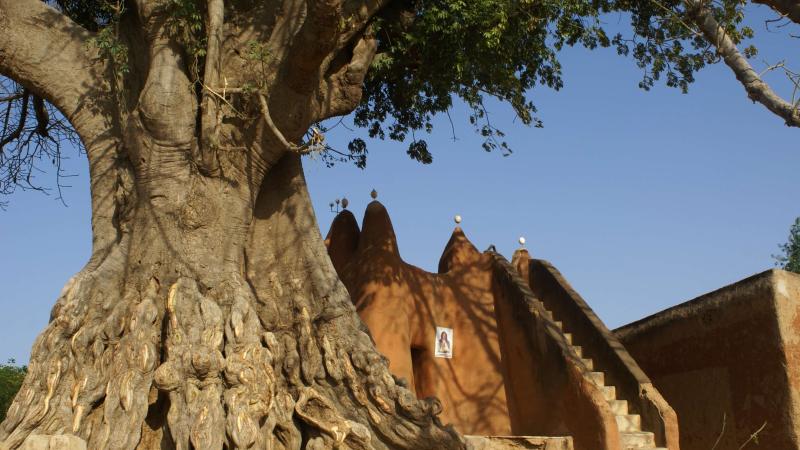
On 23-24 October 2017 International Alert and the Netherlands Embassy in Mali are organising a workshop on the relationship between climate change, natural resources and security. The meeting will be organised in Bamako and will involve representatives from the Mali Government, bilateral and multilateral donors, civil society and private sector.

The fragility of cities

This article discusses the potential connections between climate change adaptation and urban violence. It identifies some of the gaps in the knowledge base of urban resilience and potential entry points for future research and action.
The Skoll Global Threats Fund and the MIT Center for Collective Intelligence are organising an online collaborative climate-security game – the Climate Risks CoLab from October 9 - November 17.
UN Secretary General António Guterres released a report on the humanitarian crisis in the Lake Chad Basin region. The report calls upon countries to identify and address the root causes of what some say is the world’s most extensive humanitarian crises.
This year the Planetary Security Initiative (PSI) will co-organise a workshop at the World Water Week in Stockholm.