The “Central Asia Young Water Diplomats programme” implemented by the Clingendael Institute and IHE Delft, 2024-2026, brought together young water diplomats from Centr

PSI consortium partner CCS just released a new report and briefers that address the various ways that climate change effects, nuclear trends, and security challenges are combining around the world. Where nuclear and climate issues are combining in specific countries with other issues such as terrorism, nation-state competition, weak institutions, and mass movement of people, the international community must understand how this nexus of challenges could affect stability and security.
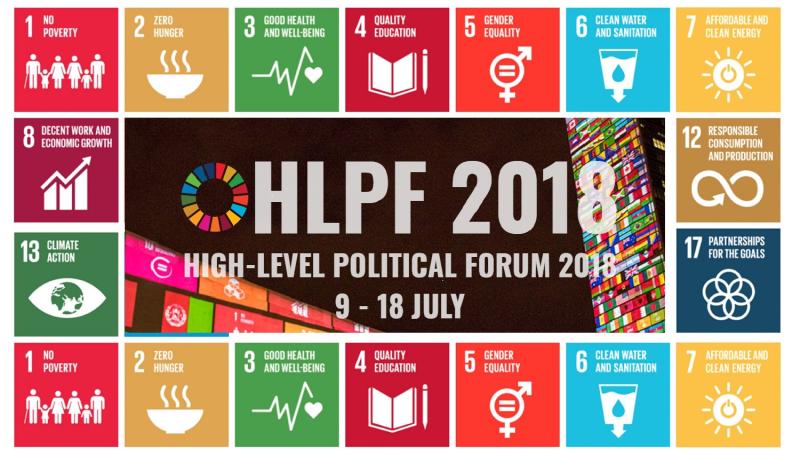
The German Federal Foreign Office and adelphi co-organize a side event on 17 July 2018 at the High-Level Political Forum 2018, taking place in the German Permanent Mission in New York. The event titled “Global Resilience Agenda: A Foreign Policy Perspective on the SDGs” seeks to deepen the understanding of the SDGs and geopolitics and the particularities of each region.
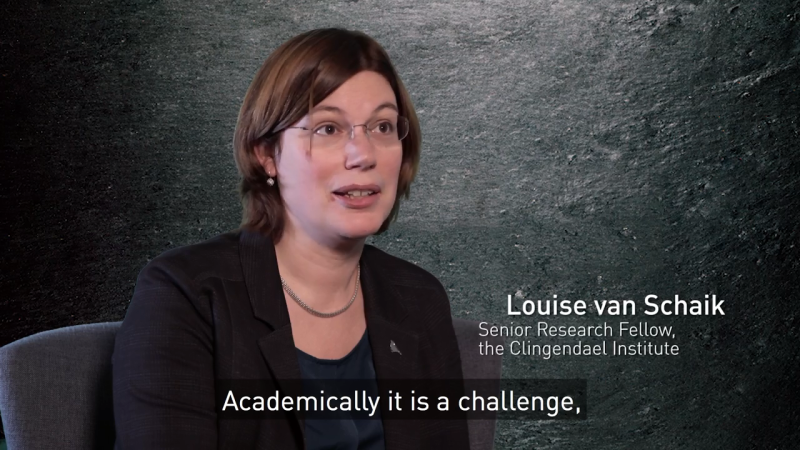
At the Planetary Security Conference (PSC) of 2017, holds under the theme of moving from analysis to action, Louise Van Schaik, PSC Project Lead & Senior research fellow at the Clingendael Institute, addresses the practical challenges of the nexus of climate, migration and security for future policies. What does climate change mean for migration and security in fragile areas of the world? How could those factors further impact on Europe?
The African Union (AU) dedicated the 774th meeting of its Peace and Security Council (PSC) on 21 May 2018, to an open session on “The link Between Climate Change and Conflicts in Africa and Addressing the Security Implications”. The Council highlighted the linkage between climate change and peace and security in Africa and that climate change is a threat to global peace and security.
In order to force greater commitment to the EU’s 2030 emission targets, ten families from inside and outside Europe initiated a people’s Climate Case. Beyond judicial, political and economic implications this case considerably demonstrates the planetary character of climate change consequences – seeing families from places as different as Fiji, France, Germany or Kenia alike facing similar kind of related challenges.
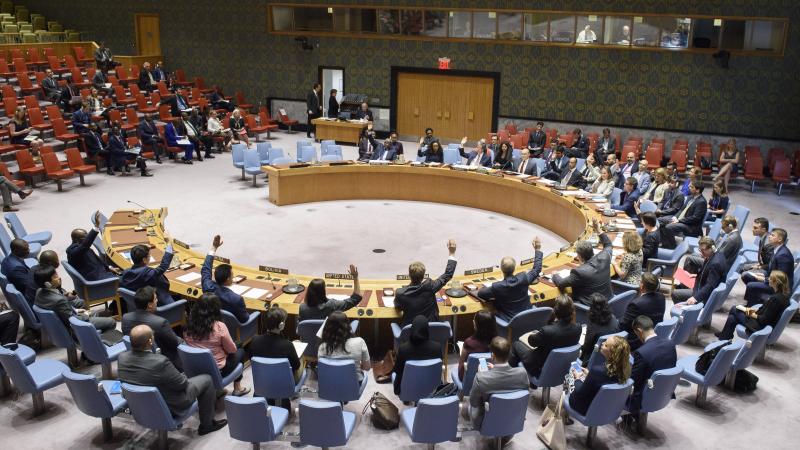
In a historic vote adopted unanimously on the 24 May 2018, the UN Security Council recognized for the first time that armed conflict and violence are closely linked to food insecurity and the risk of famine currently threatening millions of people.