The “Central Asia Young Water Diplomats programme” implemented by the Clingendael Institute and IHE Delft, 2024-2026, brought together young water diplomats from Centr

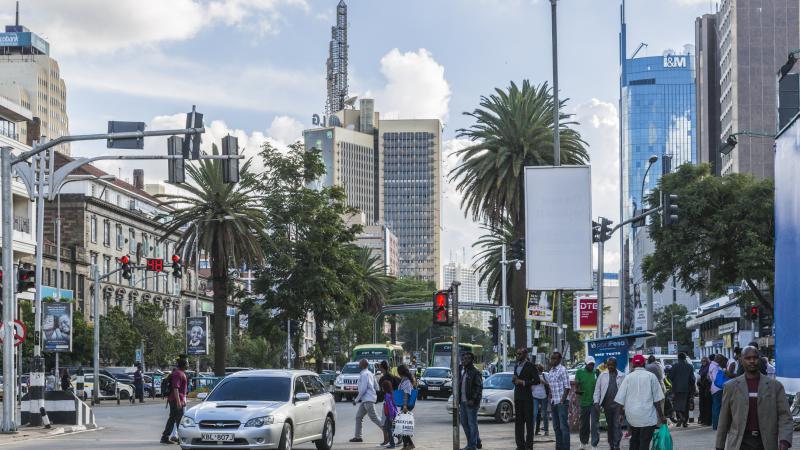
By 2050, the UN estimates that 70 percent of the global population will be living in urban areas. Therefore, understanding and anticipating the ability of cities to manage and avoid the negative effects of climate-related changes and events is of utmost importance. This paper presents a conceptual framework to quantify the climate resilience of cities to guide policymakers and community leaders in identifying challenges and opportunities.
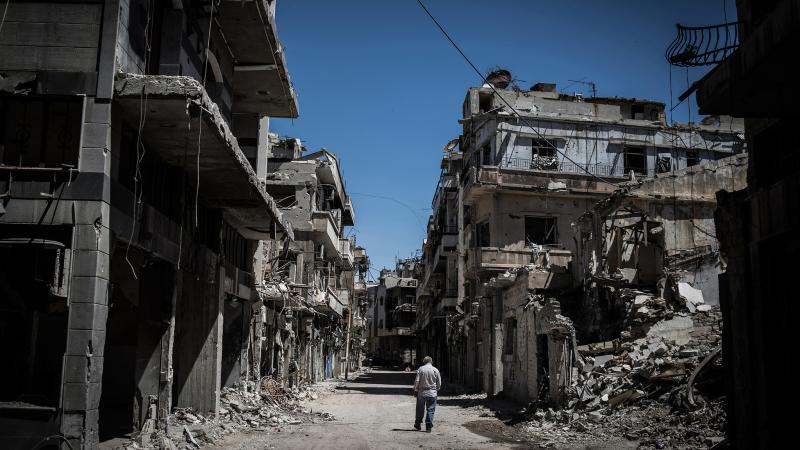
A new publication by the UK-based Grantham Institute unravels the scientific contestation regarding the (causal) relationship between climate change and conflict. It points to the divergence among the natural and social sciences and across different sectors, which results in highly fragmented and contested evidence linking climate change, low carbon transition and conflicts.
The Planetary Security Initiative (PSI), is pleased to announce that the fourth annual Planetary Security Conference (PSC 2019), will take place on 19th & 20th of  February, 2019, in the Hague.
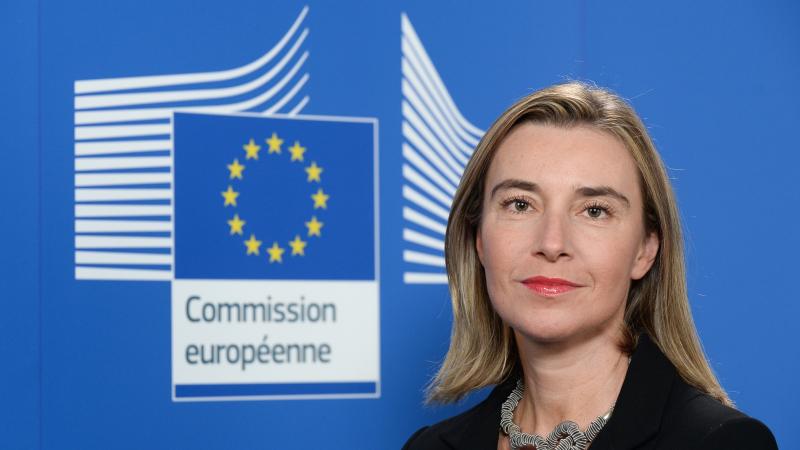
On 22 June 2018, the EU High Representative Federica Mogherini will convene a high-level event Climate, Peace and Security: The Time for Action in Brussels. The objective is to examine the climate-security nexus to identify approaches to address its growing challenge. The event will focus on two themes: the responsibility to prepare for climate-security risks and moving from early warning to early action.
On April 24, a meeting co-organised by PSI-Consortium partner the Center for Climate and Security in collaboration with the Institute for Environmental Security, the Elliott School of International Affairs at George Washington University, IHE Delft and the Embassy of the Netherlands in the US organised an event to discuss climate and water-related risks and resilience initiatives.
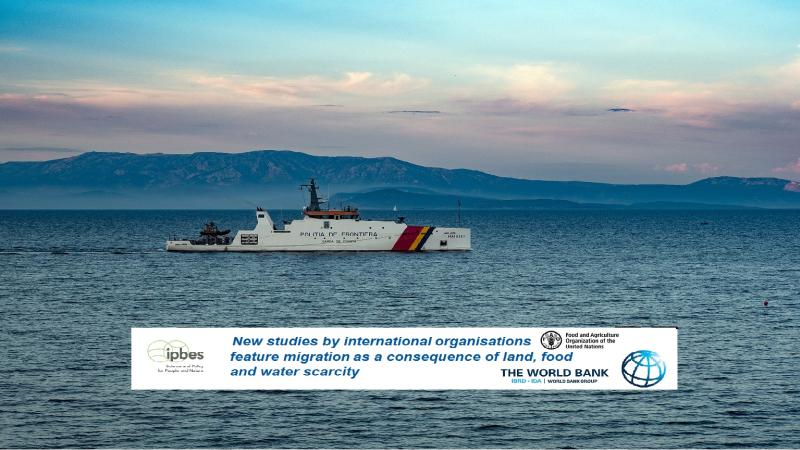
A short and comprehensive analysis & summary of three crucial studies recently published by the World Bank (WB), the Food and Agricultural Organisation (FAO) and the Intergovernmental Science Policy Platform on Biodiversity and Ecosystem Services (IPBES) which prominently addressed the link between degradation of land, water stress and higher food prices with migration.