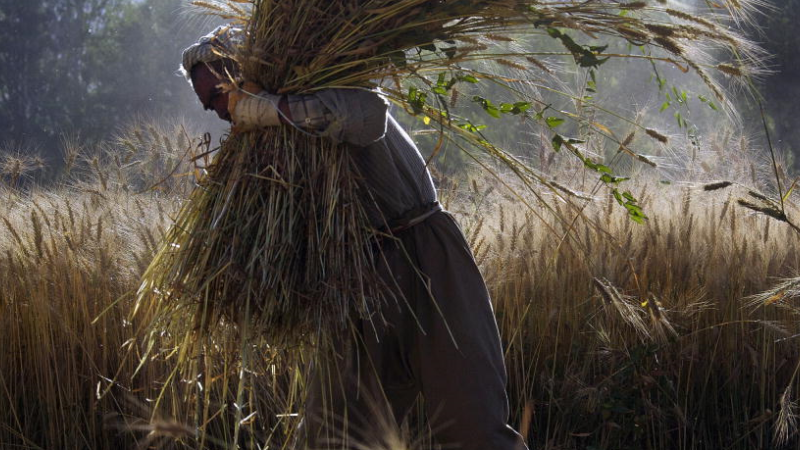
The “Central Asia Young Water Diplomats programme” implemented by the Clingendael Institute and IHE Delft, 2024-2026, brought together young water diplomats from Centr

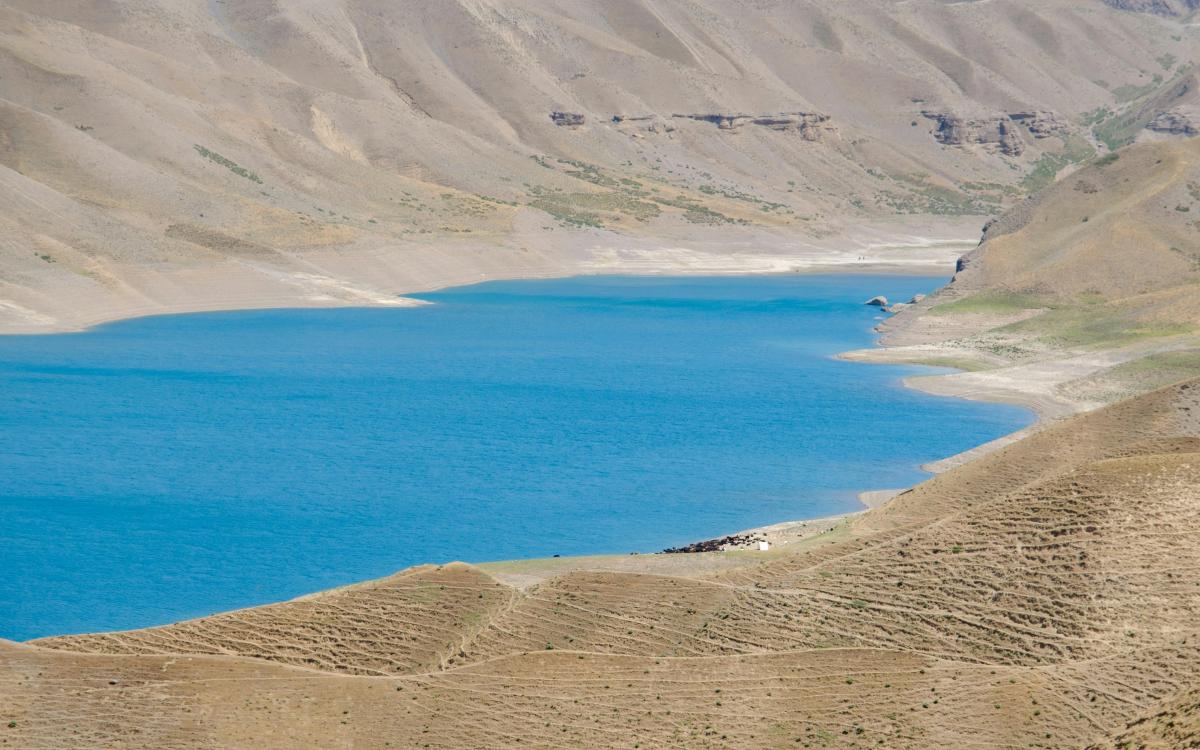
Among critical issues arising from climate change, three crucial moments came under the spotlight for climate security: SIDS push for greater action against climate change effects, the Netherlands at the Group of Friends on Climate and Security and a ministerial discussion on climate security as a root cause of conflicts.
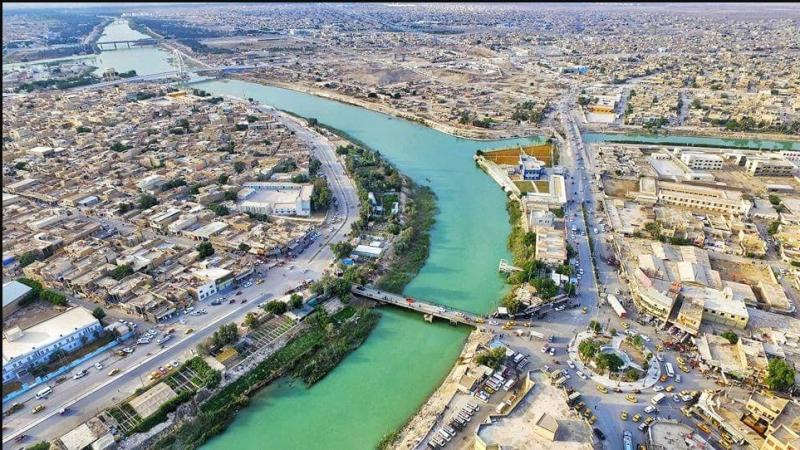
Under the umbrella of PSI, the Clingendael Institute and The Embassy of the Republic of Iraq in the Netherlands hold the closed-door meeting ‘Building a Stable and Prosperous Democracy in Iraq: Food Security, Climate Change and Sustainable Development’ on 1st of November 2018.
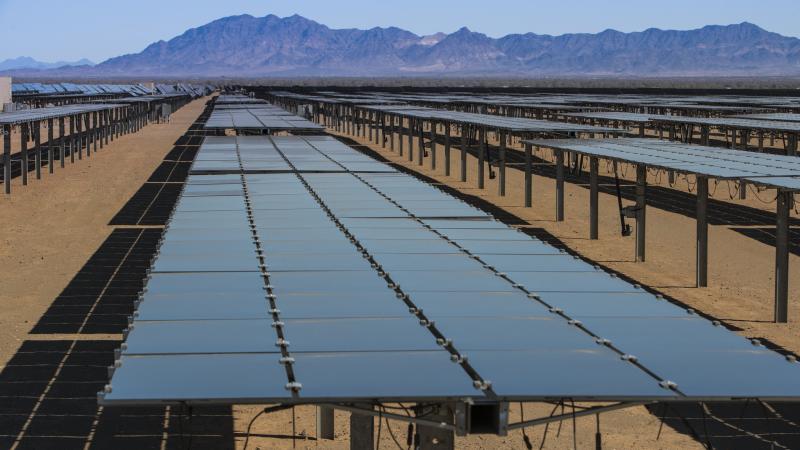
A recent study published with Science shows how large-scale deployment of wind turbines and solar panels can affect local climate. Large-scale implementation of wind and solar energy in the Sahara region could have major implications not only in terms of clean and renewable energy production but also in an increase of fertile land.
The Hague Declaration aims to spur up action  at multilateral and  local levels to achieve workable solutions for alleviating security risks that emanate from climate change. Help us monitor progress relating to the Hague Declaration ahead of the PSC2019 by sharing examples of best practices that contribute to climate security actions.
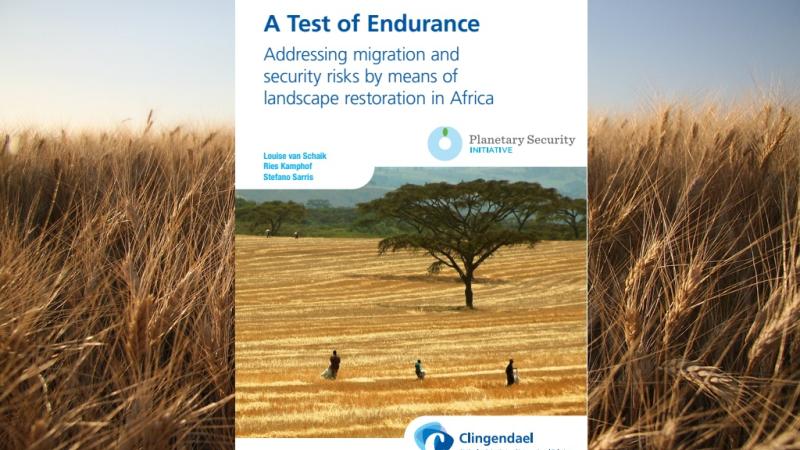
On the 20th of September 2018, a meeting was held at the Clingendael Institute to discuss a new report by the Planetary Security Initiative that aimed at assessing to what extent landscape restoration initiatives may address migration in Africa. This meeting aimed at addressing policy-relevant discussions of the connection between landscape restoration and migration.
This report on food crises gives estimates of the level of severe hunger faced by various countries in the world. Last year, conflict and extreme climate events have been the main drivers of food shocks. The short term estimate for 2018 suggests that conflict and enduring weather conditions will continue to contribute to the acute food crises in many regions.