The “Central Asia Young Water Diplomats programme” implemented by the Clingendael Institute and IHE Delft, 2024-2026, brought together young water diplomats from Centr

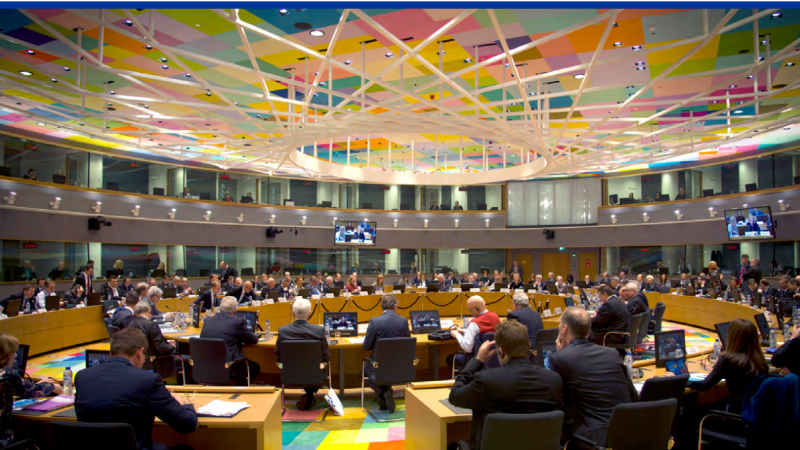
On 25 June, EU foreign Ministers acknowledged the importance of the security and climate nexus for the Sahel and Mali in particular. Building on the Conference on the Sahel in Brussels on 23 February 2018. The EU and its partners agreed to step up support to the millions of vulnerable people affected by conflicts, widespread insecurity, recurrent natural disasters and poverty in the region, and to strengthen their resilience.
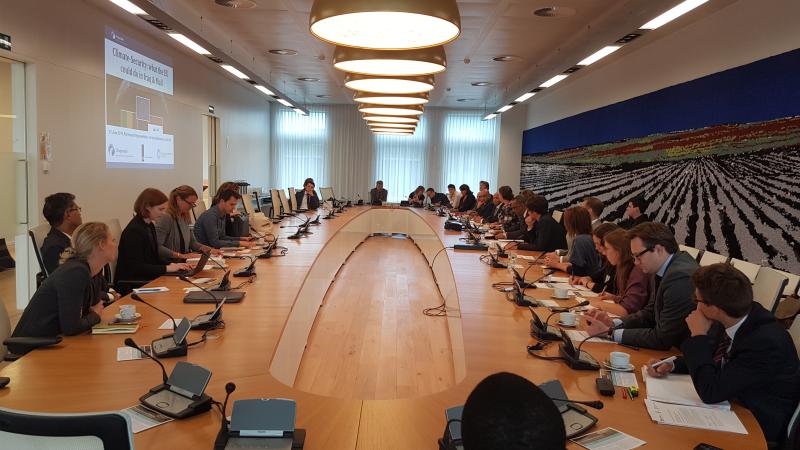
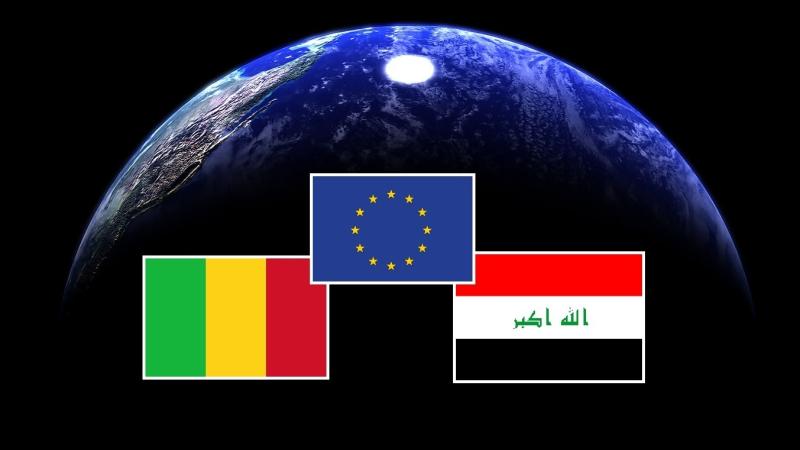
On the eve of the high level event Climate, Peace and Security: The Time for Action, PSI hosted an informal meeting to exchange views on how climate change affects the security situation in Iraq and Mali and what this means for EU risk assessments, missions and policies. We further had the pleasure of welcoming the Ambassador of The Republic of Iraq in Brussels and the Ambassador to EU/Brussels for Mali.
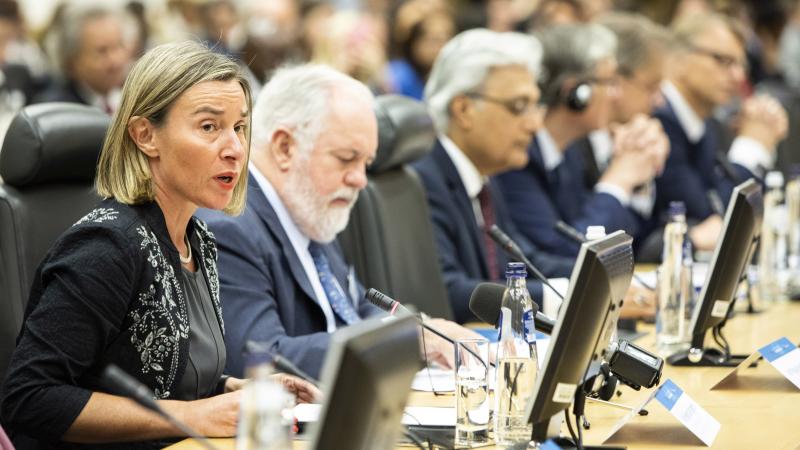
On 22 June, High Representative for Foreign Affairs and Security Policy Federica Mogherini hosted an unprecedented high-level event - Climate, Peace and Security: The Time for Action. The focus of the debate was on the need to introduce policy change to integrate the climate-security nexus into risks analysis, policies and missions.
The European Union (EU) has recognized the high-probability, high impact threat climate change poses to international security, but is still formulating a response commensurate to the threat. This new report argues that the security threats of climate change should be more routinely integrated into EU institutions at a senior level and be elevated alongside other ‘traditional’ security issues like terrorism and nuclear threats.
A recent publication by the Joint Research Centre (JRC), the European Commission’s science and knowledge service, aims to provide evidence-based scientific support to the future of migration patterns from and within Africa and to explore the main driving factors that impede or further migration flows. Building on those findings and data from the OECD, Gallup, the UN Population and the World Bank this paper use macro-econometric analyses to develop three forecast scenarios up to 2050.
For over a decade the EU has shown interest in mitigating climate-related security risks, but this has hardly translated into effective policies. In this policy brief, the cases of Iraq and Mali illustrate how EU missions, policies and related financial instruments could be adjusted to take due account of the climate-security nexus.