Briefer published by the Council on Strategic Risks, 13 August, 2026

Iraq: Climate, Water & Conflict in 2020 - PSI webinar

  • webinar
  • climate security
  • Conflict
  • water
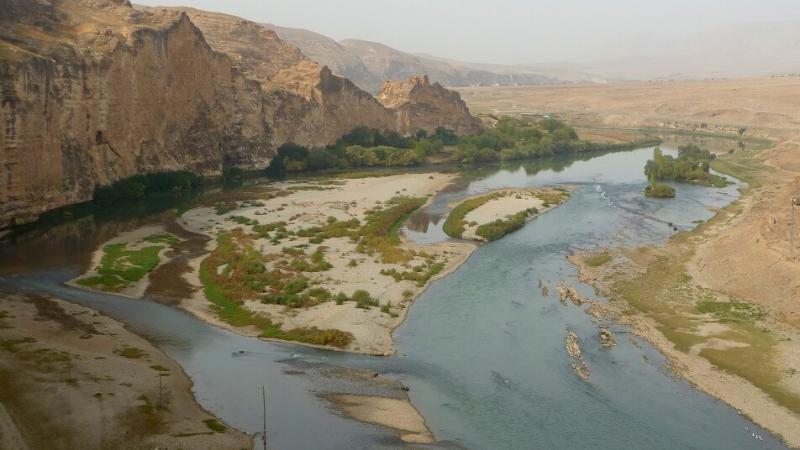
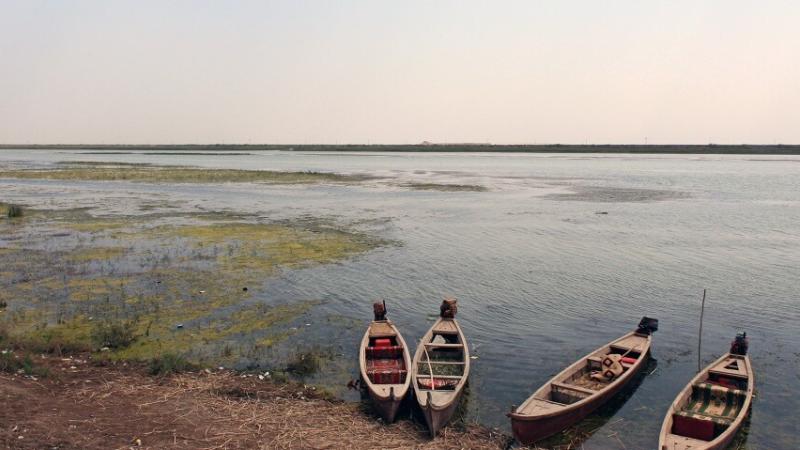
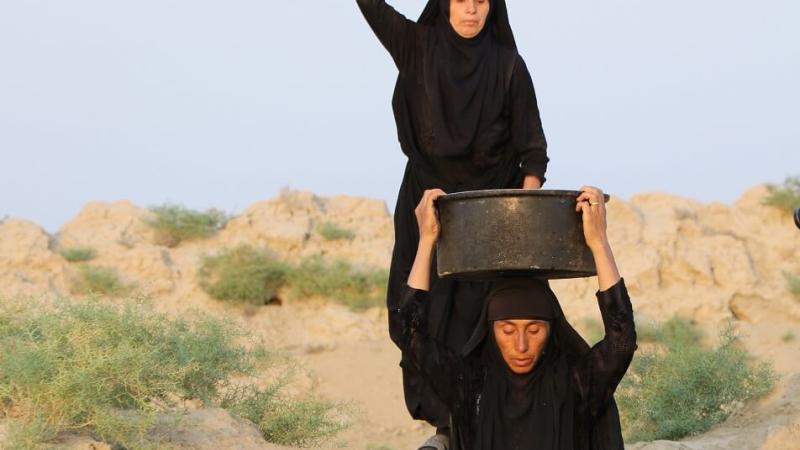
Iraq is among the most vulnerable countries in the region when it comes to climate change and water scarcity. Over the last two decades, the situation deteriorated dramatically, affecting health and livelihoods in the South. The COVID-19 health crisis, in conjunction with a collapsed oil price, further strains livelihoods and perspectives in the region. Join our webinar on 8 July where we discuss climate & water security in Iraq against the current political and security situation.

Early warning tool for global water conflict

  • Conflict drivers
  • Watersecurity
  • middle east
  • sahel
The Water, Peace and Security (WPS) Partnership launched an early warning tool to predict conflict over the coming 12 months in Africa, the Middle East, and South and Southeast Asia. By employing machine learning, the tool has captured so far 86% of future conflicts, successfully forecasting more than 9 in 10 “ongoing conflicts” and 6 in 10 “emerging conflicts.” Read more about the tool and potential hotspots here.

Improving decentralised natural resource management in the Sahel

  • sahel
  • Mali
  • Resource scarcity
  • Conflict
The Inter collectivité du Sourou developed an Integrated and Sustainable Development Programme (ISDP) that defined concrete actions to implement the Sustainable Development Goals (SDGs) in the Sourou river plain in Mali. A new policy brief by the Clingendael Institute outlines how the effective decentralization of power was achieved through an inclusive rather than a ‘rubber stamp’ approach.

The nuclearisation of the Russian Arctic: New risks

  • Russia
  • arctic
  • environmental security
During the Cold War, the Soviet Union kept a significant portion of its nuclear-weapons arsenal in the Arctic. Russia’s inability to effectively deal with this nuclear legacy created the potential for an environmental catastrophe. A new policy brief by the European Leadership Network (ELN) looks into the growing risks of nuclear incidents in the Russian Arctic, and proposes concrete transparency and confidence-building measures to limit them.
The second report in the “Migration, environment and climate change” by IOM explores some of the main ways in which environmental change and migration have been linked to date. In addition to the environmental influences, the report considered critical economic, political, demographic and social factors, such as level of socio-economic development, resource scarcity, governance frameworks, population growth, and urbanisation.

Webinar highlights “Climate Interventions & Peace in the Age of Covid-19”

  • climate security
  • climate change
  • Conflict
  • Military
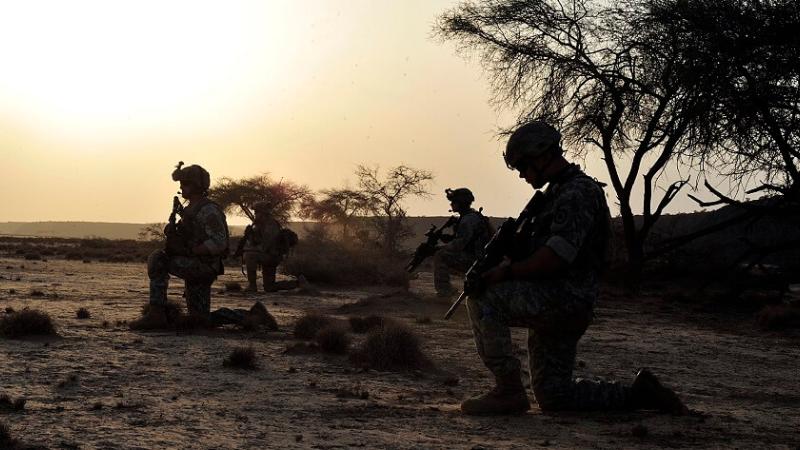
On 19 June, Planetary Security Initiative (PSI) hosted a webinar to discuss climate-security nexus from a military, diplomacy and development perspective. Four experts shared their insights related to ‘climate Interventions and Peace in the age of Covid-19’ and answered the audience questions. Read the highlights and watch the webinar here.