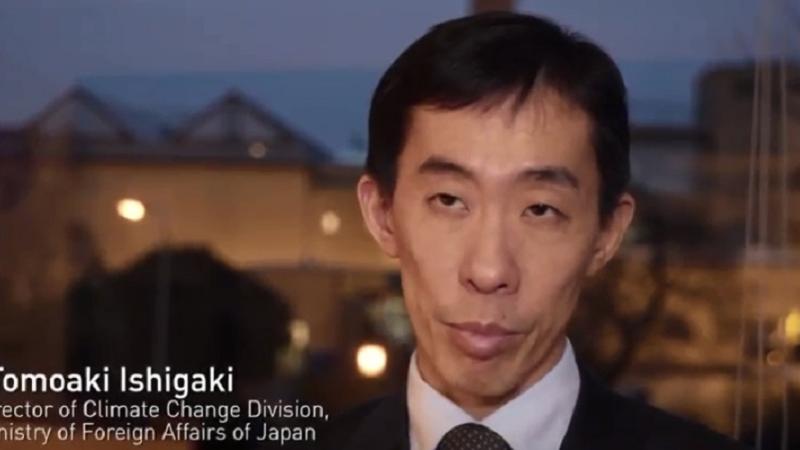
Japan's Foreign Ministry sees climate change as a severe threat to peace and security, according to Tomoaki Ishigaki, Director of Climate Change Division
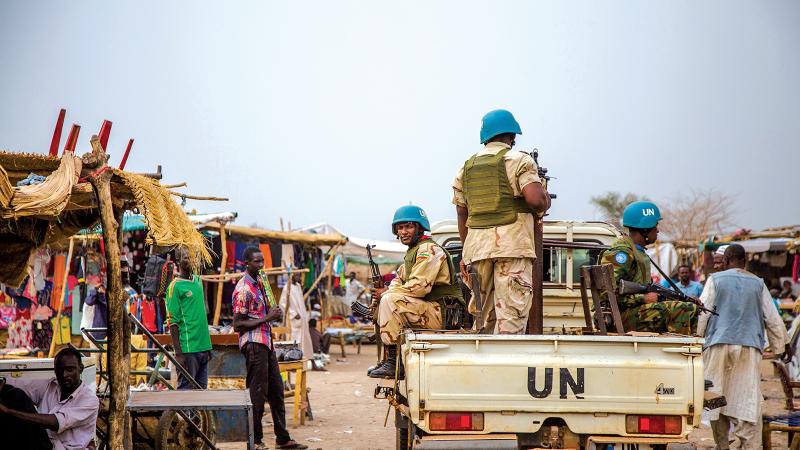
In the context of the civil war with no end in sight in South Sudan, this report outlines how a donor-led shift from the current total reliance on diesel to renewable energy can deliver short-term humanitarian cost savings while creating a longer-term building block for peace in the form of a clean energy infrastructure.
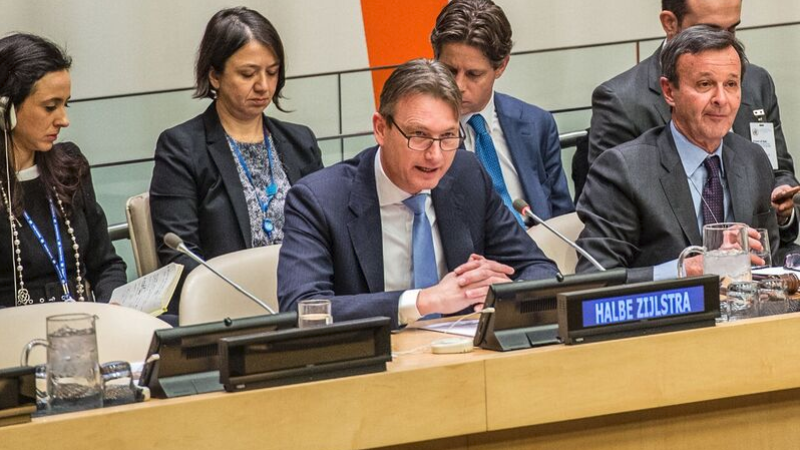
The UN Security Council discussed the security implications of rising temperatures. The Hague Declaration on Planetary Security, developed and endorsed by the Planetary Security Initiative and partners, was discussed at this meeting. Watch it now.
The winners of the Youth Challenge on Climate and Migration joined the Planetary Security Conference 2017 and share their concern and commitment towards issues regarding climate security.
This policy brief argues structural inequalities and conflict-sensitivity need to be mainstreamed into climate adaptation measures based on the case-study of Mali. While there are many adaptation projects further assessment is needed to promote inclusion and prevent violence.