This opinion article was originally published by Euractiv on 17 March, 2026. 

Report which assesses to what extent initiatives regarding landscape restoration address migration and security objectives in Africa.
“I have seen 1st hand how climate change drives conflicts in many crisis zones”. Tom Middendorp, former Chief of Defense of the Netherlands Armed Forces, on 27 June addressed in this way the security perspective of the energy transition at the Second Meeting of the Global Commission on the Geopolitics of energy transformation. This aligns with the need to build an englobing and robust assessment of the transformative trend of our age in the energy field, but it is also crucial to acknowledge the evolving geopolitics of that transition.
On 25 June, EU foreign Ministers acknowledged the importance of the security and climate nexus for the Sahel and Mali in particular. Building on the Conference on the Sahel in Brussels on 23 February 2018. The EU and its partners agreed to step up support to the millions of vulnerable people affected by conflicts, widespread insecurity, recurrent natural disasters and poverty in the region, and to strengthen their resilience.
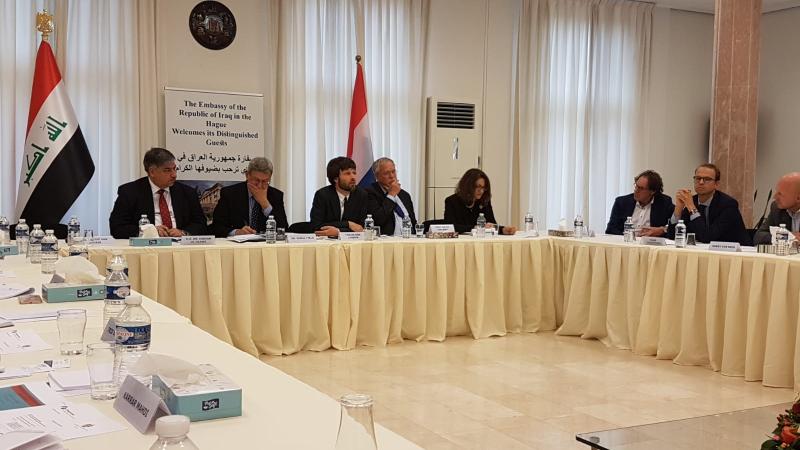
On the eve of the high level event Climate, Peace and Security: The Time for Action, PSI hosted an informal meeting to exchange views on how climate change affects the security situation in Iraq and Mali and what this means for EU risk assessments, missions and policies. We further had the pleasure of welcoming the Ambassador of The Republic of Iraq in Brussels and the Ambassador to EU/Brussels for Mali.
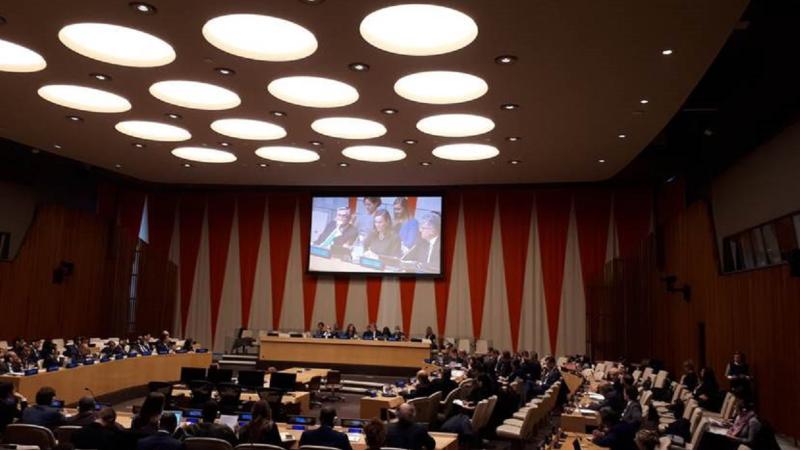
On 22 June, High Representative for Foreign Affairs and Security Policy Federica Mogherini hosted an unprecedented high-level event - Climate, Peace and Security: The Time for Action. The focus of the debate was on the need to introduce policy change to integrate the climate-security nexus into risks analysis, policies and missions.
The European Union (EU) has recognized the high-probability, high impact threat climate change poses to international security, but is still formulating a response commensurate to the threat. This new report argues that the security threats of climate change should be more routinely integrated into EU institutions at a senior level and be elevated alongside other ‘traditional’ security issues like terrorism and nuclear threats.