
Policy brief published by the Centre international de formation européenne, 17 April 2026.
This policy brief discusses why carbon diplomacy is becoming central to the EU's industrial strategy in the age of CBAM.
The EU Carbon Border Adjustment Mechanism (CBAM) is usually framed as climate policy tool but its implications go far beyond decarbonisation. By putting a carbon price on imports, CBAM improves the competitiveness of cleaner EU production, while potentially increasing input cost pressures for EU producers given their reliance on imported materials.
Throughout the policy brief, the author argues that carbon diplomacy can help square this circle. By supporting carbon pricing, MRV systems and cleaner production in partner importing countries, the EU can reduce trade frictions, costs for downstream sectors connected with imported material reliance, lower the carbon intensity of inputs, and ultimately ease competitiveness pressures for its own industry.
To do so, the EU requires a more strategic approach to carbon diplomacy: prioritising key trading partners, aligning carbon diplomacy with trade and industrial priorities under CBAM, and embedding carbon pricing cooperation into agreements and investment frameworks. If done right, the policy brief concludes, this can reduce the weight on domestic producers and support the diffusion of emissions-reducing policies throughout the world.
Key takeaways
- CBAM is reshaping industrial dynamics. CBAM protects EU producers but raises costs for sectors reliant on imported carbon-intensive input materials.
- Carbon diplomacy reduces competitiveness pressures. Supporting carbon pricing and MRV systems in partner countries can lower compliance costs and smooth trade flows.
- External policy becomes industrial policy. Climate cooperation should be increasingly tied to industrial and trade policy under CBAM.
- From fragmentation to strategy. EU climate policy efforts need to better target key partners and align with trade and industrial priorities.
This text is based on extracts from a policy paper written by Giulia Cretti (Research Associate, The Clingendeael Institute) for the Centre international de formation européenne. To read the full piece, follow the link here.
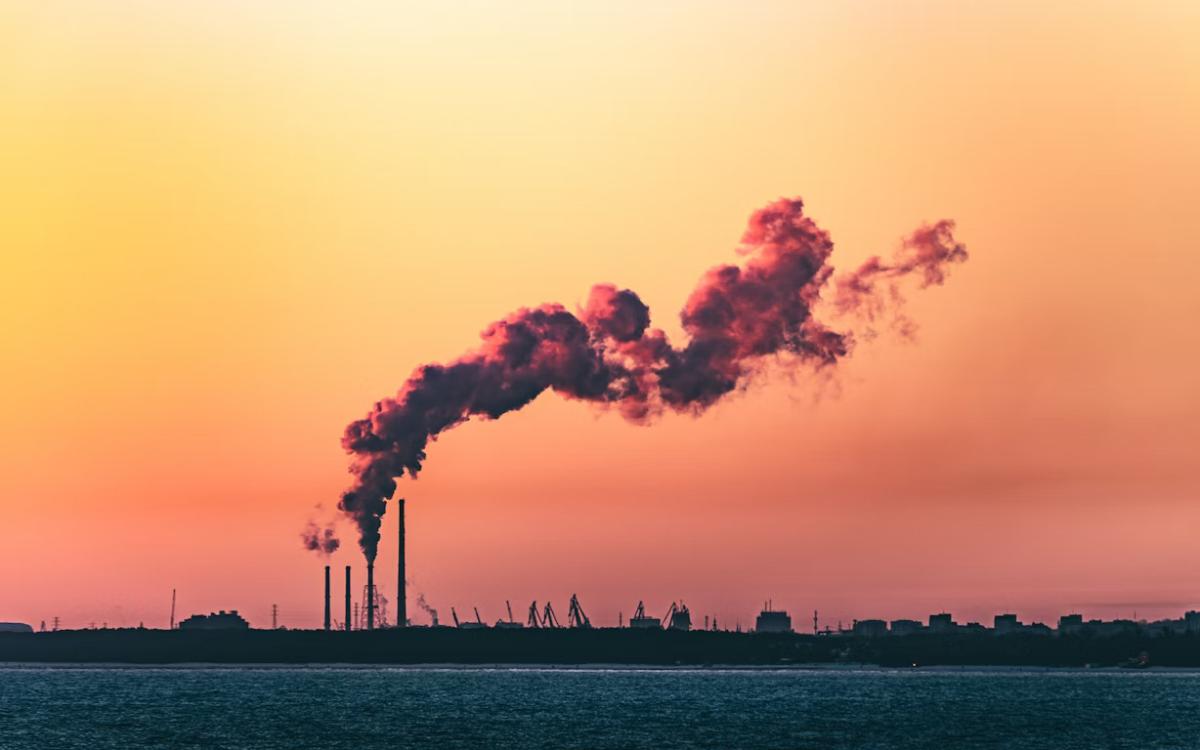
Photo credit: Marek Piwnicki on Unsplash.