
Article published by the Council on Strategic Risks, 5 May 2026.
A recent article by Erin Sikorsky and Shuchi Talati examines the complexity that solar radiation modification poses within national security debates, particularly in the United States. Solar radiation modification (SRM) encompasses a range of proposed technologies designed to cool the planet by reflecting a small portion of incoming sunlight back into space. While still largely at the research stage, these technologies could potentially help reduce some of the impacts of climate change - ranging from extreme heat to crop losses - while raising important questions around governance, legitimacy, and international cooperation. The authors caution against narratives that portray this climate intervention primarily through the lens of geopolitical rivalry and weather weaponization, arguing that such framings risk obscuring the broader opportunities and challenges that SRM offers for climate governance and international cooperation.
The article notes that while concerns about atmospheric intervention technologies deserve serious scrutiny, discussions centred on speculative scenarios of deliberate weather weaponization may distract from more immediate and actualised risks. These include governance failures, insufficient monitoring and attribution capabilities, limited international oversight mechanisms, and the possibility of destabilizations to the international systems caused by non-warfare RSM use.
The authors further argue that framing SRM as a strategic competition domain could complicate efforts to establish the international cooperation needed to govern these technologies effectively. They claim that SRM risks should be tied to ungoverned deployment, rather than adversarial weaponization alone, and that a different and more meaningful conversation between international actors would recognize SMR international governance not as a concession but as a strategic interest of all the parts involved.
Main takeaways
SRM expands the scope of the climate-security debate. SRM creates new challenges and opportunities to tackle climate change-related risks, attracting growing attention by state actors.
The security implications of SRM extend well beyond deliberate weather manipulation. Governance gaps, weak monitoring capabilities, and limited attribution mechanisms may prove more consequential in the coming years.
An adversarial framing may be counterproductive. Treating SRM primarily as a geopolitical competition risks undermining the cooperation needed to govern it.
This text is based on extracts from the article by Erin Sikorsky (The Center for Climate and Security,The International Military Council on Climate and Security) and Shuchi Talati (American University, The Alliance for Just Deliberation and Resilience), published by the Council on Strategic Risks .
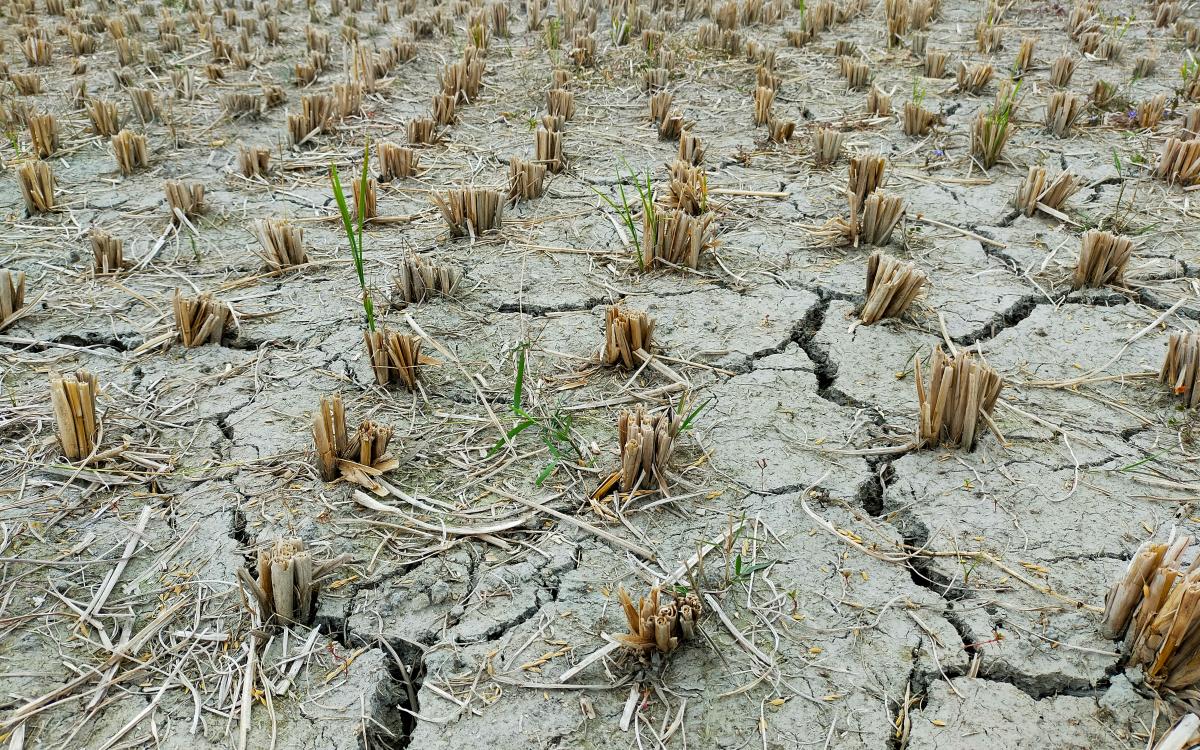
Photo credit: Md. Hasanuzzaman Himel on Unsplash.