
Report by Environment & Development Resource Centre (EDRC) July 2025,
The accelerating frequency and intensity of extreme weather events, pose significant threats to global security and stability. As climate hazards impact communities with increasing regularity, national militaries are playing a growing role in civil protection efforts. While international guidelines traditionally position military assets as a "last resort" for disaster response, the scale of recent climate emergencies often strains civilian capacities, necessitating military involvement to provide rapid logistics, engineering, and rescue support.
Despite this growing operational reality, there has been limited systematic information regarding how different nations integrate their armed forces into climate disaster management. "Resilience, Readiness, and Response" is the report of Project CASA (Climate and Security Action), an initiative aimed at filling this knowledge gap. The project assesses the nature, extent, and impact of military involvement in climate-related emergencies across a range of countries within NATO and beyond.
Through consultations with government and military officials, the report compiles country profiles and a new dataset to analyze legal frameworks, operational strategies, and the consequences of these deployments on force readiness. The report highlights that while militaries possess unique capabilities essential for immediate disaster response, an over-reliance on armed forces for domestic civil protection can create vulnerabilities in national defense postures and divert resources from core military missions. The study underscores the necessity of improved data collection and civil-military cooperation to manage the escalating demands of the climate crisis effectively.
Case Studies of Selected Countries
The report analyses 19 country profiles, revealing a spectrum of approaches to military engagement in climate emergencies.
In North America, the United States and Canada face high demands for domestic military support. The U.S. National Guard is frequently deployed for events like hurricanes and wildfires. Data indicates that between 2012 and 2023, the U.S. military responded to over 3,000 domestic climate emergencies. Similarly, the Canadian Armed Forces have seen requests for assistance double every five years since 2010, raising concerns about the sustainability of using the military as a default responder for recurring seasonal disasters.
European nations exhibit diverse operational models. France and Spain utilize specialized military units dedicated to civil protection, such as France's ForMISC and Spain's Military Emergency Unit (UME). These units are trained specifically for disaster response and can deploy internationally. In contrast, Sweden and Switzerland maintain a civilian-led approach where the military acts strictly in a supporting role when civilian resources are exhausted. Switzerland’s militia system allows engineering troops to support cantonal authorities during events like avalanches or flooding. These troops are trained for civil protection tasks and can rapidly deploy specialized equipment and expertise to stabilize infrastructure and restore essential services.
In South Asia, Pakistan relies heavily on its military for disaster response due to the scale of calamities and limited civilian capacity. The military plays a central role in logistics and rescue operations during massive floods and earthquakes, operating under constitutional provisions that authorize aid to civil power.
In South America, Brazil employs a "dual-use" model, where troops are trained for both conventional defense and humanitarian assistance. Specific legal protocols require federal recognition of a disaster state before military assets are deployed. Conversely, Bangladesh involves its full military force in domestic disaster response, from search and rescue to infrastructure restoration, while its international engagement is primarily channeled through UN peacekeeping missions.
Main Takeaways
The study identifies that national militaries are increasingly functioning as essential actors in climate emergency response, often bridging gaps in civilian capacity. However, approaches vary significantly: some nations employ specialized standalone units, while others rely on general forces.
A critical finding is the disparity in data tracking; international datasets (like those from the OECD) significantly undercount military involvement compared to national data, obscuring the true scale of resource commitment. Furthermore, frequent domestic deployments are beginning to impact military readiness, training, and budget allocation, prompting a need to balance civil protection duties with core security mandates.
Conclusion and Recommendations
While the military’s logistical and operational strengths are indispensable in the immediate aftermath of severe disasters, long-term resilience requires strengthening civilian capabilities to prevent the militarization of disaster risk reduction. The increasing volume of climate-related missions necessitates a shift from reactive measures to proactive preparedness and better data utilization.
To address these challenges, the report offers several recommendations for policymakers and defense officials:
- Improve National Data Tracking: Governments should systematically track military response data, including the specific type of crisis (e.g., flood, wildfire), costs, and personnel involved, to allow for better trend analysis and resource planning.
- Enhance International Data Collection: Intergovernmental organizations like NATO, the EU, and the UN should compile cross-national data on military responses to climate emergencies to provide a comprehensive global picture.
- Integrate Strategic Climate Intelligence: Defense planning should incorporate anticipatory analysis and strategic climate intelligence to forecast future risks and operational requirements, moving beyond purely reactive responses.
- Strengthen Civil-Military Partnerships: Countries should foster stronger collaboration between military and civilian agencies throughout the entire disaster risk reduction cycle prevention, preparedness, response, and recovery - ensuring that civilian agencies maintain the lead where appropriate.
- Facilitate Lessons Learned: Establishing international forums for sharing operational experiences and best practices can help nations adapt their legal and operational frameworks to the evolving climate security landscape.
This text is based on extracts from a report published by the Environment & Development Resource Centre (EDRC) in collaboration with the Climate Security Association of Canada (CSAC), Crisis Management and Disaster Response Centre of Excellence (CMDR COE), Foundation for Global Governance and Sustainability (FOGGS) and Global Military Advisory Council on Climate Change (GMACCC). The report is authored by Ronald A. Kingham and Dr. Ashley McIlvain Moran to read the full version of the article, follow this link.
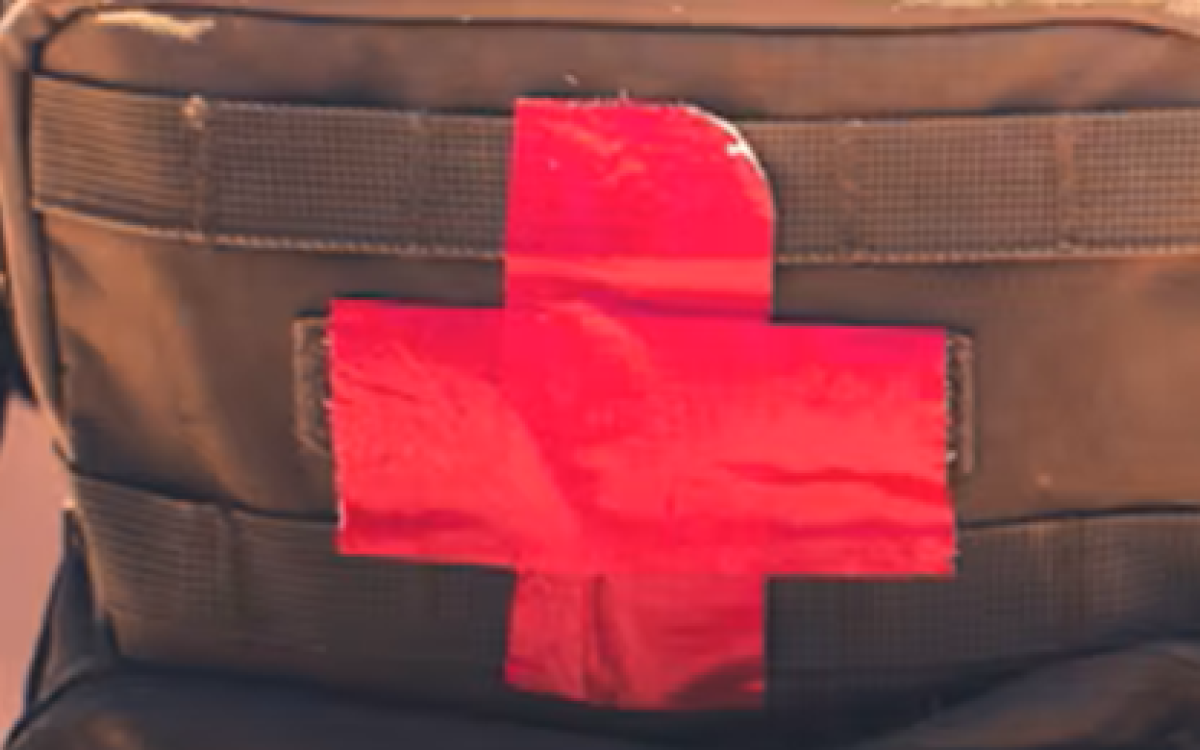
Photocredit from Max Bender on Unsplash.
See below for our coverage on similar topics:
- NATO and climate change: Towards a joint understanding and response | Planetary Security Initiative
- Red Hot Risk, Ice Cold Response: UK Climate Security Intelligence Blind Spots | Planetary Security Initiative
- The European Commission's response to the first EU Climate Risk Assessment report | Planetary Security Initiative