A recent Fact Sheet on Afghanistan by NUPI and SIPRI shows that prolonged conflict, mismanagement, unsustainable land-use practices, and natural hazards constrain Afghanistan’s ability to cope with climate impacts.
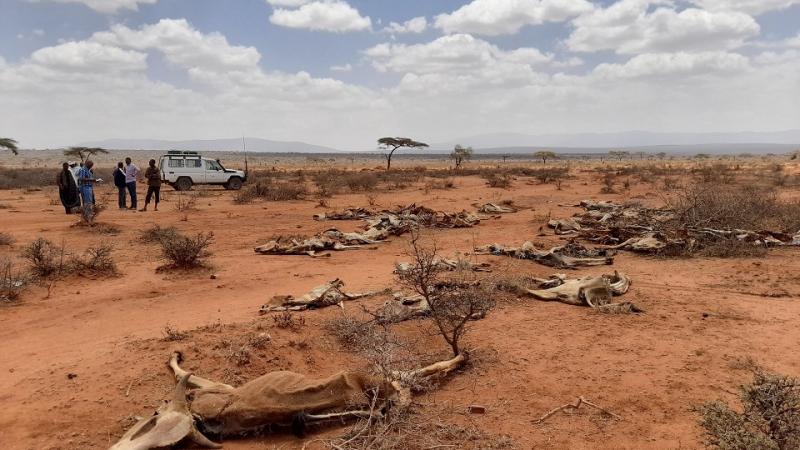
The Council on Foreign Relations has recently released a podcast discussing the implications that climate change has for the Horn of Africa. James Lindsay and Michelle Gavin discuss the implications that climate change has in destabilising the region by exacerbating existing vuln
Scientific evidence is mounting that ‘human-induced climate change is already affecting many weather and climate extremes in every region across the globe’. The 2022 floods in Pakistan and heatwaves in Southern Europe illustrate that climate change impacts human security and can have adverse
The full-scale invasion of Ukraine by the Russian Federation may have begun on 24th February 2022, but it was preceded by the illegal annexation of the Crimean Peninsula by the Russian Federation in February and March 2014 and more than eight years of de facto occupation by the Russian Federation
This year’s Munich Security Conference (MSC) comes in the wake of a security revolution in Europe borne from the invasion of Ukraine, examples of this being the German “
Notable institutions, such as the United Nations and the European Union, have declared that climate change endangers international security. The North Atlantic Treaty Organization (NATO) shares these concerns and has expressed a desire to influence the global movement to meet this threat.&nb

Renewable energy and the United Nations: A green spark for peace in South Sudan

  • United Nations
  • South Sudan
  • energy transition
  • electricity access
South Sudan’s future – and relief from its cycle of conflict – is linked to its reliance on fossil fuels, with limited but possible options for charting a new course.