
Policy report published by the Grantham Research Institute on Climate Change and the Environment at London School of Economics, in partnership with the Coalition of Finance Ministries for Climate Action, 15 April 2026.
This policy report synthesizes the vast wealth of research on the macroeconomic impacts of climate change. While the report acknowledges that these impacts remain difficult to quantify with precision, it stresses that they are already significant and rapidly growing.
In particular, the authors show that under the plausible worst-case scenario - with global average temperatures rising by 2.2–2.8°C above pre-industrial levels - climate change could reduce average incomes by 3–15% by 2050, with the heaviest burden accrued by lower-middle-income countries. The report also warns of major declines in labour productivity and aggregate welfare, with projected welfare losses reaching 8–19% by mid-century. Beyond these economic impacts, the study underlines the substantial non-market losses, including higher mortality risks, the loss of cultural heritage, and the broader societal disruptions associated with a harsher climate - effects that remain largely agnostic in GDP measures.
At the same time, the authors argue, climate change would also bring increasing fiscal pressures, as governments face rising spending needs for disaster response, recovery and adaptation, while economic disruption weakens revenues and raises the cost of borrowing. In particular, the report warns that vulnerable countries could enter a vicious cycle where worsening climate impacts translate into lower credit ratings and higher debt burdens.
The report provides a clear direction on how to tackle these risks: adaptation should not be seen as a cost, but as an economic investment. According to the authors, early and strategic adaptation measures can strengthen economic stability, reduce long-term losses, and generate wide social and environmental co-benefits. The report points to benefit-cost ratios of around 4:1 for adaptation investments, while also stressing that adaptation alone will not be enough without faster emissions reductions.
"Continued underinvestment is not an option."
Main takeaways
- Climate change generates systemic economic losses. Rising temperatures are expected to reduce incomes, productivity and welfare across the global economy.
- Lower-middle-income-countries (LMIC) would be hit harder. The impact of climate change is already, and would continue to, impact more strongly LMIC countries - further hindering their growth path.
- The impacts goes beyond GDP. Climate change also affects non-market measure, such as health, ecosystems and broader quality of life.
- Adaptation is an economic investment. Early resilience measures can reduce long-term losses and strengthen economic stability.
- Delaying action increases costs. The longer mitigation and adaptation are postponed, the greater future economic and societal damages become.
This text is based on extracts from the policy report by James Rising, Nick Godfrey, Paul Watkiss, Swenja Surminski, Daniela Baeza Breinbauer, María Paula Gutiérrez-Hurtado and Maria João Pimenta published by the Grantham Research Institute on Climate Change and the Environment, in partnership with the Coalition of Finance Ministries for Climate Action.. To read the full report, click here
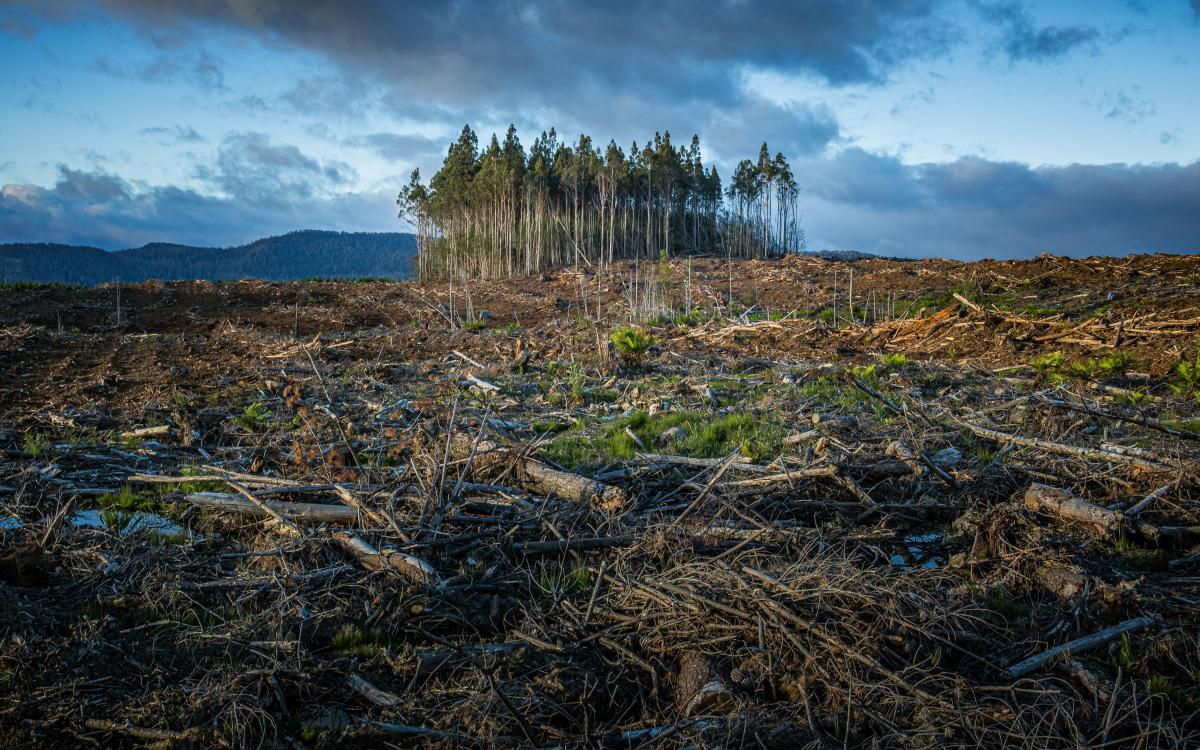
Photo credit: Matt Palmer on Unsplash.