
Report by the Norwegian Institute of International Affairs and Stockholm International Peace Research Institute, 3 November 2026
As climate change intensifies, Somalia faces growing threats to its already precarious political situation and severe humanitarian crisis. A new report in a series of Climate, Peace and Security Fact Sheets of the Norwegian Institute of International Affairs (NUPI) and the Stockholm International Peace Research Institute (SIPRI), sheds light onto how climate change act as a threat multiplier on the ground, and offers four key recommendations to enhance resilient governance.
"Climate change is rarely the main driver of conflict, but it can undermine development gains, exacerbate the dynamics of ongoing."
Climate-related peace and security risks
Climate change exacerbate already existing peace and security risks in Somalia through four different pathways:
1. Livelihood impacts
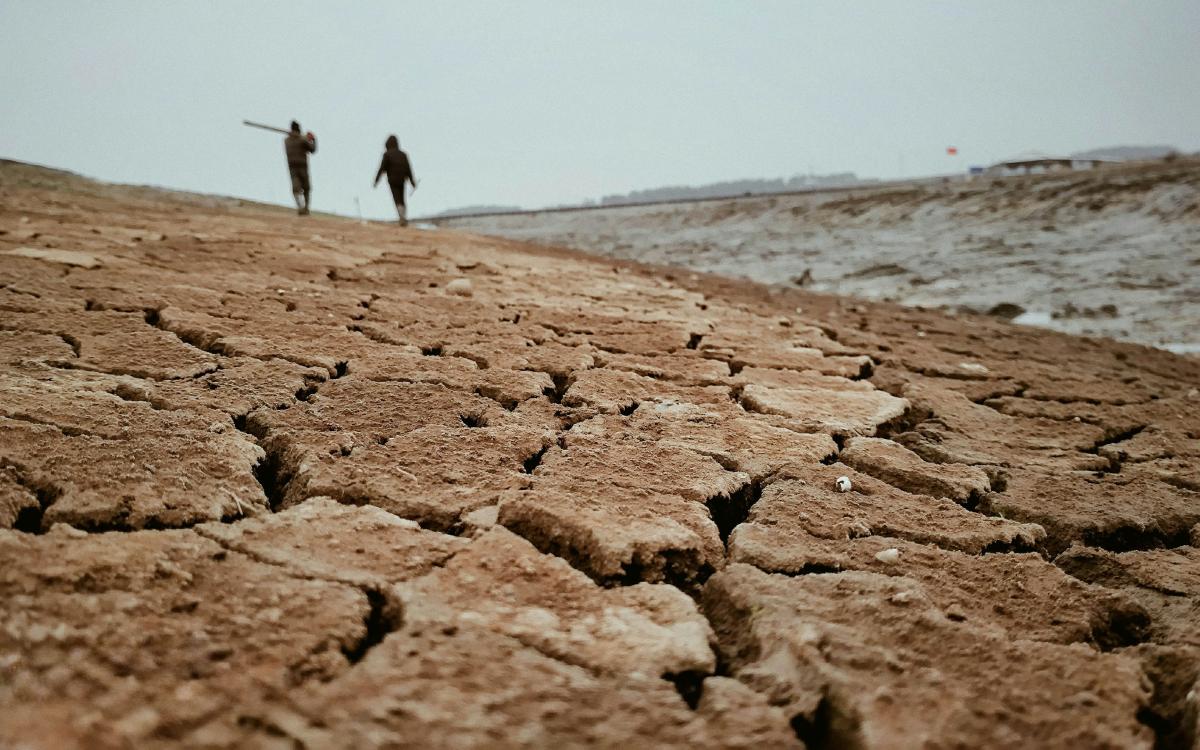
Climate change threatens Somalia’s agricultural sector, particularly through severe droughts and floods, undermining food security and livelihoods and exacerbating local tensions and conflict dynamics. For example, diminishing water resources and loss of land intensify competition over access to natural resources. As household incomes decline and food insecurity worsens, dependence on humanitarian aid increases. However, ongoing conflict further undermines people's ability to cope by restricting access to humanitarian assistance, thereby reinforcing a vicious cycle of climate vulnerability, food insecurity and conflict. These losses disproportionately affect women due to limited land ownership rights and representation, which also increases risks of gender-based violence.
2. Migration and mobility
Climate-related disasters, such as recurring droughts and severe floods, were the leading cause of forced displacement, followed by conflict. Furthermore, loss of household incomes and increasingly limited livelihood opportunities contribute to voluntary migration: economic reasons were among the primary drivers of voluntary movement in Somalia in 2025. Changing migration patterns can also heighten local tensions, particularly over access to grazing land and water. Displacement from rural to urban and peri-urban areas also exposes displaced people to new risks, such as forced evictions. Overall, weak service provision and inadequate safety nets leave internally displaced people especially vulnerable and more likely to resort to harmful coping strategies in the short term. Although most climate-related migration occurs within Somalia, drought conditions can also drive cross-border movements, including from Ethiopia’s Somali region and, over longer distances, to the Gulf states via Yemen.
3. Armed actors and security
Violence in Somalia is particularly prevalent in drought-affected regions, where competition over land and water can fuel local conflicts. Armed non-state groups can exploit climate-induced livelihood stress to drive recruitment and capitalize on natural disasters to strengthen control over affected communities, particularly in rural areas where state presence is limited. Meanwhile, ongoing conflict undermines communities' ability to adapt to climate shocks, restricts humanitarian access through the destruction of water wells, food relief trucks and riverbank infrastructure, and drives further displacement.
4. Political and economic grievances
Somalia’s already precarious political situation and weak institutions undermine efforts to address climate-related challenges. At the same time, climate change further strains state-building and peacebuilding by undermining economic gains and state authority, creating opportunities for powerful groups to exploit competition over natural resources and deepen existing grievances, and leaves many communities reliant on humanitarian assistance.
"Climate change can thus exacerbate vulnerabilities and grievances and can create opportunities for elites and powerful groups to control and position themselves as protectors of access to resources for certain groups at the expense of others."
Pathways to resilience and stability
Building on the above, the authors recommend four actions:
- Incorporate climate resilience in institutional capacity: Support Somali institutions in anticipating and responding to climate impacts on agriculture, food security and livelihoods, while promoting gender-sensitive adaptation.
- Durable solutions for displacements: Combine immediate humanitarian assistance with longer-term, area-based approaches to resilience-building and strengthen protection for IDPs exposed to increasing climate-related risks.
- Support training for relevant Somali civilian and security institutions: Strengthen civilian and security institutions’ ability to analyse and mitigate climate-related security risks, including through community-level conflict-monitoring systems.
- Promote long-term resilience and governance: Move beyond reactive emergency responses towards climate-resilient development, stronger state institutions and greater trust and cooperation between communities and the state.
This summary is based on extracts from a report published by the Norwegian Institute of International Affairs and Stockholm International Peace Research Institute and written by Katongo Seyuba (author, SIPRI), Dr Thor Olav Iversen (author, NUPI) Dr Cedric H. de Coning (series editor, NUPI), Dr Florian Krampe (series editor, SIPRI), and Jules Duhamel (visualizations). To read the full article, follow this link.
Photo credit: 光术 山影 (@mrtiger) / Unsplash, 5 June 2024.