
The Fact Sheet on Afghanistan, by Ingvild Brox Brodtkorb, Kheira Tarif, Katongo Seyuba, Dr Thor Olav Iversen and Jules Duhamel, is a joint product of the Norwegian Institute of International Affairs (NUPI) and the Stockholm International Peace Research Institute (SIPRI) and was published in April 2026.
Afghanistan faces severe climate vulnerability while being more exposed to extreme weather events and natural hazards than the global average. This has been compounded by environmental degradation caused by prolonged conflict, poor natural resource management and limited resilient infrastructure. Together with complex humanitarian and economic crises and mass returns of Afghans from Iran and Pakistan, all these factors deepen the population’s vulnerability to overlapping crises.
Extreme weather events such as droughts and flooding are influenced by changing temperatures, snowmelt and rainfall, but patterns vary across ecological zones. By 2030, local droughts are likely to become the norm rather than temporary, cyclical events. Prolonged conflict, mismanagement, unsustainable land-use practices and natural hazards have driven environmental degradation, while economic hardship, widespread poverty and poor governance heighten exposure to climate risk. Afghanistan’s ability to cope with climate impacts will thus remain severely limited.
This fact sheet uses four interrelated pathways to navigate the relationship between climate change, peace and security:
Livelihood impacts
Extreme weather has significantly damaged Afghanistan's environment, causing land degradation, loss of farming livelihoods, and a decline in agriculture. This has worsened health, nutrition, food security, and economic stability. Worsening the security of livelihoods in Afghanistan. Women are disproportionately affected; their increased financial and social dependence heightens their vulnerability to climate change and reduces their adaptive capacity.
Migration and mobility
Displacement and migration patterns in Afghanistan are driven by multiple factors, with 79% linked to climate, especially water scarcity. Returning refugees face increased climate vulnerability due to limited support, information, and inclusion, weakening their resilience. Resource scarcities often become politicised, making returnees scapegoats.
Armed actors and security
In water-scarce Afghanistan, resource sharing is crucial. Resource disputes can be further exacerbated by the involvement of armed actors. Escalating water scarcity, combined with prolonged state mismanagement of water, heightens the risk of regional instability. Weak transboundary mechanisms, climate change impacts, and political instability risk further escalating regional tensions over shared water resources.
Political and economic grievances
Prolonged drought since 2021, combined with underdeveloped water infrastructure and a severe water crisis, has further aggravated the humanitarian crisis and widespread poverty. Both the central administration and provincial authorities face sustained pressure from local communities over water access, economic hardship and urgent need for resilience measures.
Recommendations
- The international community should enhance preliminary climate governance efforts to boost Afghanistan’s resilience. UN states and donors must fund gender-sensitive adaptation projects for vulnerable groups. UNAMA, the UN Resident Coordinator, and partners should keep collaborating with local communities to strengthen agricultural livelihoods.
- The UN, member states, and partners should collaborate with local communities to boost investments in anticipatory climate adaptation, disaster management, and preparedness. Programs must address the needs of vulnerable groups like IDPs, returnees, and climate-affected host communities to prevent resource competition and social tensions.
- The UN and member states should support efforts to enhance regional environmental cooperation, especially regarding water and disaster preparedness in transboundary basins. UNAMA and UNRCCA can help facilitate platforms for regional stakeholders to discuss climate, peace, and security.
- Beyond humanitarian needs, UN member states and donors should support medium- to long-term resilience by integrating conflict sensitivity and environmental peacebuilding into programming. This includes better aid coordination on climate change, developing a joint climate resilience strategy, and setting clear action priorities. UNAMA and the UN Resident Coordinator’s Office should continue coordinating with donors and implementers, and promote lessons learned and knowledge sharing.
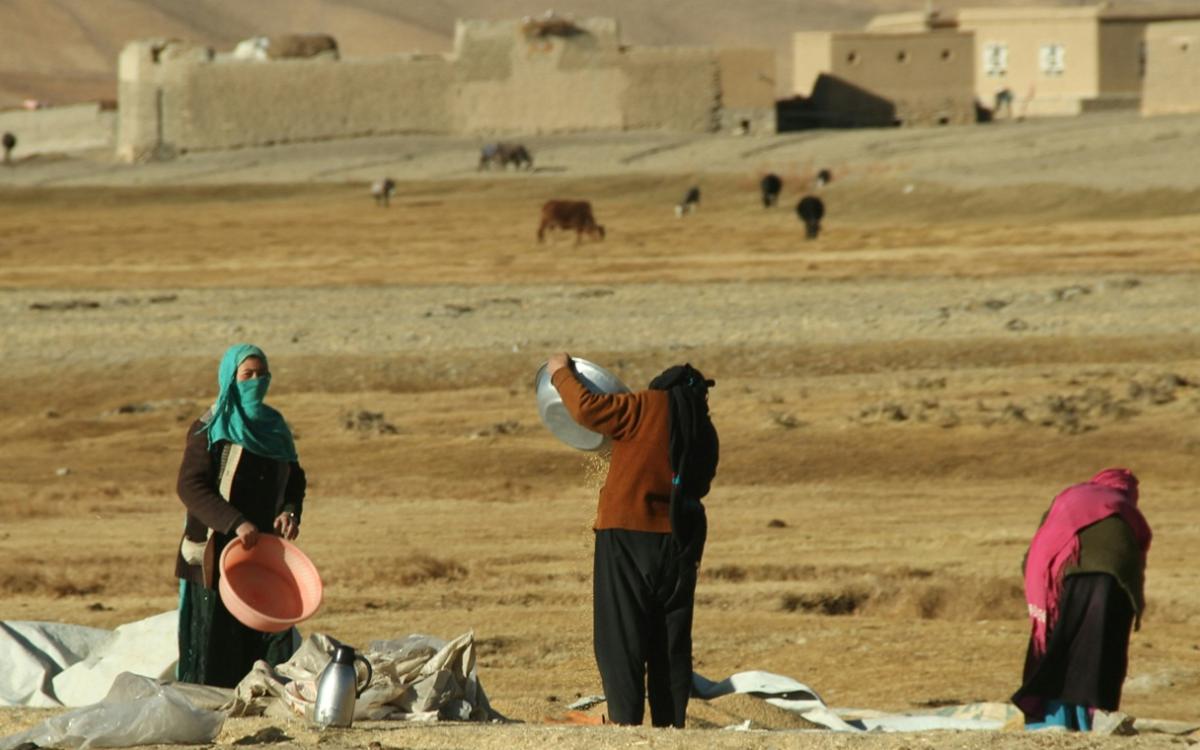
Photo by Farid Ershad on Unsplash
This text is based on extracts from the Fact Sheet on Afghanistan by Ingvild Brox Brodtkorb, Kheira Tarif, Katongo Seyuba, Dr Thor Olav Iversen and Jules Duhamel, of the research institutes NUPI and SIPRI. To read the full text, follow this link.