
This article was originally published on July 29, 2026, as part of an ongoing collaboration between the European Leadership Network and the Bulletin of the Atomic Scientists.
Climate change is transforming the Arctic: Melting sea ice, thawing permafrost, and changing maritime accessibility are opening new territories, resources, and shipping routes while reshaping the region’s strategic landscape. As Russia, NATO, and China compete for access, this environmental shift is quietly accelerating nuclear risks - and exposing a dangerous governance gap.
In this piece, authors Nikita Gryazin and Iren Marinova examine how rapid Arctic warming is intersecting with regional deterrence, Cold War environmental hazards, and a frozen diplomatic landscape.
Intersecting Threats
- Eroding Strategic Cover: Russia’s sea-based nuclear deterrent relies heavily on Arctic ice for concealment. As ice melts, increased submarine visibility and military encounters raise the risk of miscalculation.
- Redrawn Deterrence Map: The NATO accession of Finland and Sweden, alongside expanding Sino-Russian cooperation, has brought the entire High North under an integrated, high-stakes nuclear umbrella.
- Unearthing Toxic Legacies: Thawing permafrost threatens to release Cold War radioactive waste from Soviet test sites like Novaya Zemlya and scuttled nuclear submarines into the environment.
A Dangerous Governance Gap
Despite these overlapping threats, international policy remains dangerously siloed. The Arctic Council explicitly excludes military security, global climate bodies focus strictly on environmental impact, and arms control forums ignore regional climate dynamics. With US-Russia dialogue fractured, policymakers have no shared venue to manage where climate disruption and nuclear risk meet.
Key Solutions
- Launch a Track 1.5 Dialogue: Create a complementary risk-reduction forum alongside the Arctic Council to bring defense officials, scientists, and diplomats together on incident prevention and environmental risks.
- Adapt Strategic Frameworks: Incorporate climate-driven security risks directly into NATO planning and Treaty on the Non-Proliferation of Nuclear Weapons (NPT) review assessments.
- Restore Targeted Channels: Re-establish basic bilateral protocols - such as incidents-at-sea agreements and radiological monitoring - to prevent accidental escalation.
Treating environmental disruption, regional competition, and nuclear deterrence as separate problems is no longer viable. Without modernized governance, the warming Arctic risks becoming an unmanaged flashpoint.
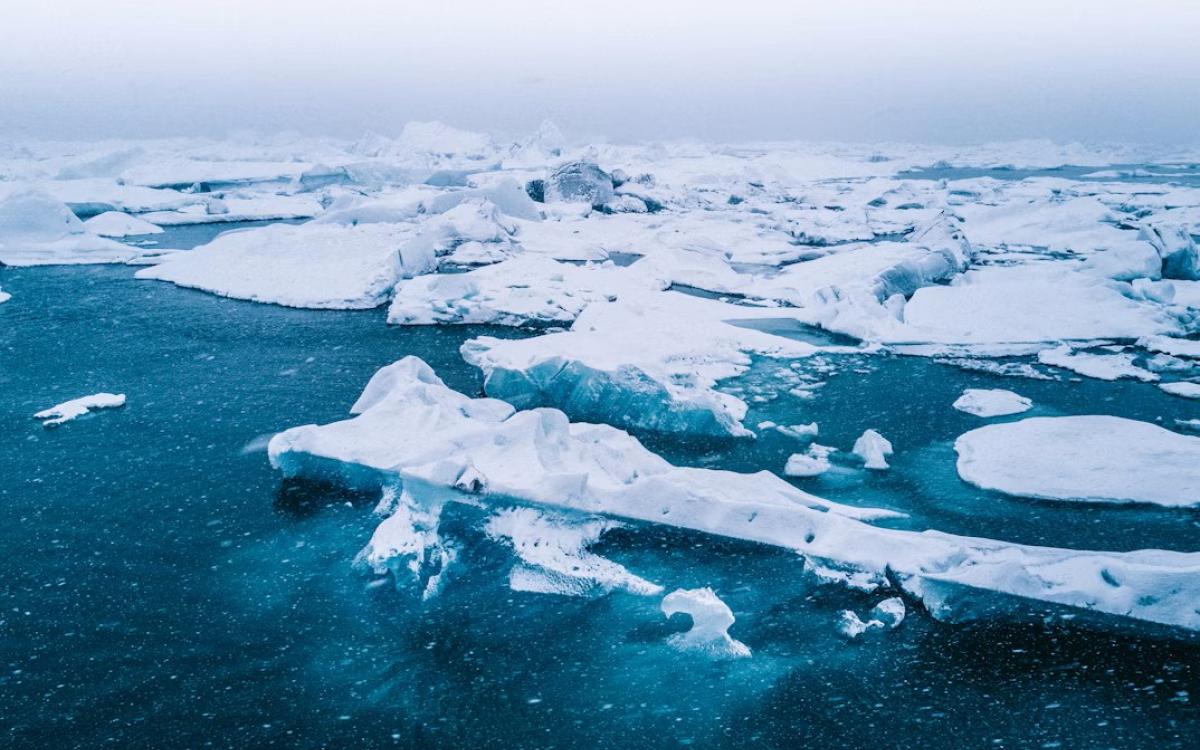
Photo by Willian Justen de Vasconcellos on Unsplash
This text is based on extracts from an article published by the Bulletin of the Atomic Scientists. To read the full contribution, follow this link.