
Report published by the Norwegian Institute of International Affairs (NUPI) and the Stockholm International Peace Research Institute (SIPRI), August 2026
Abyei is a disputed, oil-rich territory between Sudan and South Sudan, home to more than 125,000 people. The UN Interim Security Force for Abyei (UNISFA) operates there amid unresolved territorial claims, intercommunal tensions, armed groups and growing spillovers from the war in Sudan and instability in South Sudan. At the same time, UNISFA is implementing a 15% budget cut, reducing its operational footprint just as the environment in which it operates is becoming more difficult.
Based on fieldwork and more than 40 interviews, a new NUPI-SIPRI report examines a crucial climate-security question: how do climate-related risks affect the ability of peacekeepers to protect civilians?
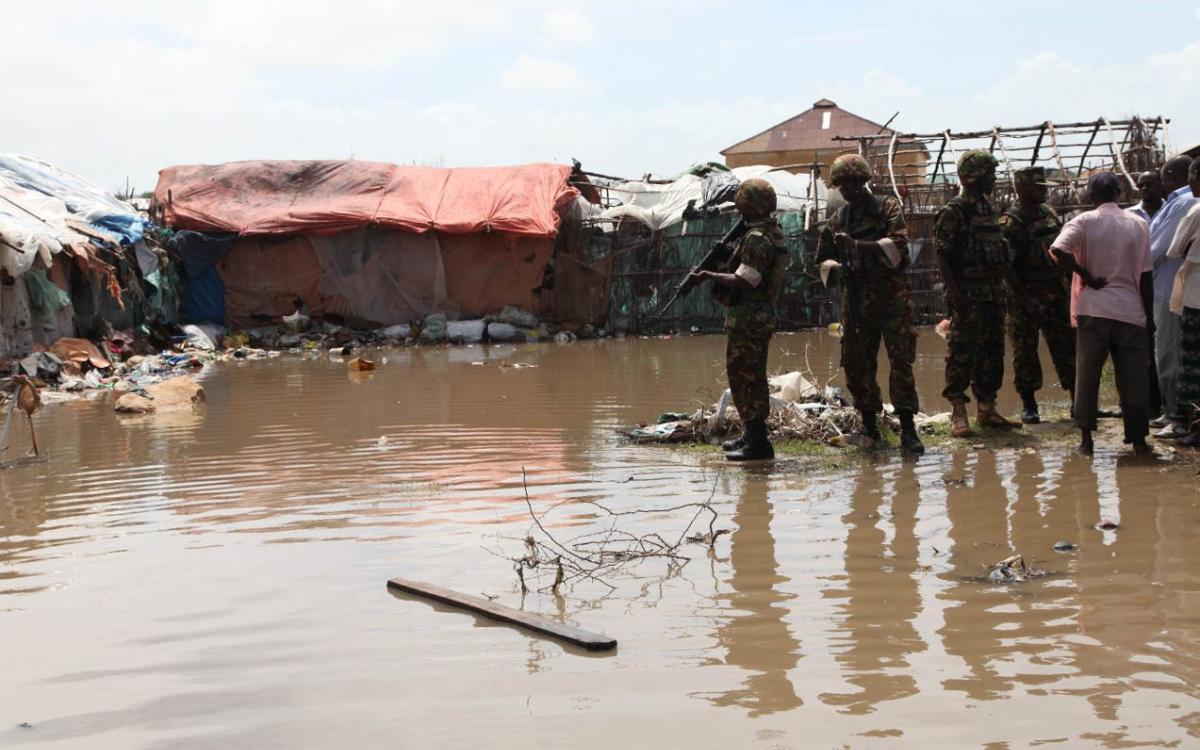
In Abyei, the effects are already tangible. Heavy rainfall can make main supply routes unusable, strand vehicles, limit flights and force temporary operating bases to close. This reduces patrol coverage and situational awareness and slows access to communities during security incidents. The report finds that armed groups can exploit these periods of reduced UN mobility to conduct cattle raids, attacks on villages and other violence.
Climate pressures also interact with existing conflict dynamics. Drought and changing rainfall affect grazing routes, agriculture and access to water, while extreme heat and disease place additional pressure on both local communities and peacekeepers. However, the authors argue that UNISFA's response remains largely reactive and fragmented, with climate, peace and security risks still insufficiently incorporated into mission-wide planning and early warning.
Key takeaways
- Climate risks are becoming an operational peacekeeping issue. Preparing for floods and extreme weather is not just an adaptation concern: it affects where troops can deploy, how quickly they can respond and whether civilians can be reached.
- Climate-security needs to be built into training and planning. The report calls for stronger CPS training before deployment and within the mission - including for commanders, planners and intelligence officers - as well as a dedicated senior CPS adviser and closer knowledge-sharing with UNMISS.
- Early warning should combine climate and security information. UNISFA currently does not systematically connect patrol data, seasonal climate risks and protection-of-civilians assessments. The authors recommend integrating these into a mission-wide early-warning and early-response strategy.
- Climate-ready missions also need the right equipment. Troop and police units operating in flood-prone environments may require different deployment standards, including all-terrain vehicles, inflatable boats, stronger engineering capabilities and routine weather monitoring ahead of operations.
- Local adaptation can support conflict prevention. UNISFA's pre- and post-migration dialogues bring Misseriya and Ngok Dinka communities together to negotiate access to water and grazing areas. These agreements have fed into local early-warning mechanisms and reportedly helped reduce violence during seasonal livestock movements.
The report ultimately argues for moving from reacting to climate impacts to anticipating them as part of peacekeeping itself. This means integrating climate risks into training, intelligence, planning, equipment and civilian-protection strategies - particularly as peace operations are increasingly expected to operate under tighter budgets and more volatile environmental conditions.
This summary is based on the report Beyond the Blue Line: Tackling Climate, Peace, and Security Challenges in Abyei, written by Andrew E. Yaw Tchie (NUPI) and Katongo Seyuba (SIPRI). The report was jointly produced by NUPI’s Training for Peace project and the SIPRI–NUPI Climate, Peace and Security Risk project.
Photo Credit: Mahamud Hassan, AMISOM, CC0 1.0