Tokyo, Japan, May 30, 2019 – Japan’s economic competitiveness is threatened by a heavy reliance on imports from countries that face multiple climate change-exacerbated security risks, and Japan can take lessons from the U.S. military’s vulnerabilities to climatic changes, according to two new Japan Series reports (here and here) from experts at The Center for Climate and Security, a think tank in Washington DC with a team and Advisory Board of senior military and security leaders. The reports come ahead of Japan’s hosting of two G20 ministerial meetings on Trade and Digital Economy (June 8-9) and Energy Transitions for Global Environment for Sustainable Growth (June 15-16)
Climate change poses increasing risks to peace and stability, contributing to a growing relevance of the climate and security nexus to foreign policy actors. To effectively address this topic and develop transformative options for action, it will be crucial to create political momentum, strengthen the bridges between science and politics, as well as the links with other societal actors.
With "How climate change can fuel wars" the Economist adds to the top tier news coverage of the Planetary Security Conference 2019. Starting off by describing the situation in the Lake Chad region, the article links terrorism, political mismanagement and climate change. Considering the situation in Mali, the Arctic, Sudan and Syria, to name but some examples, the global picture of climate security is illustrated with a specific focus on the PSI Spotlight regions.
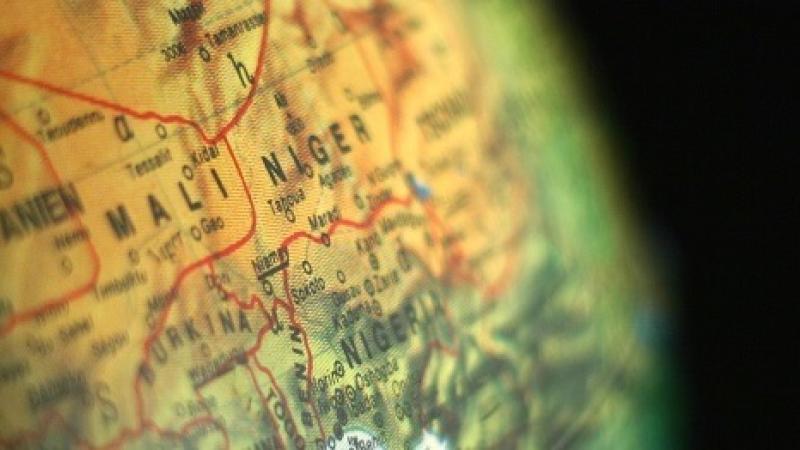
In the past decade the Lake Chad Region, including parts of Cameroon, Chad, Niger and Nigeria, saw multiple crises and conflicts, with climate change intensifying existing conflict dynamics and creating new risks. Communities in the region are vulnerable to both the profound impacts of climate change and the ongoing conflict. In a project supported by the UNDP, the Dutch Ministry of Foreign Affairs and the German Federal Foreign Office, PSI Consortium member adelphi took the lead on the spotlight region Lake Chad, resulting in a report addressing Climate and Fragility risks in the region.
In the past months we have regularly published Interviews with experts recorded at the 4th Planetary Security Conference on 19-20 February in the Hague. With a variety of expertise, topics such as the Lake Chad Crisis, Nature-based solutions, urbanization and peace-building where discussed. This article collects all interviews at one spot and provides short abstracts
This week climate-related security issues were prominently discussed in Brussels. Luxembourg Minister of Defense François Bausch addressed the topic in a meeting with his counterparts in the Foreign Affairs Council. This Council, which is composed of Ministers from EU Member States, brought together Ministers of Foreign Affairs and Defense in a so-called joined session format. They were joined by their counterparts from the G5 Sahel and its Secretary General. The EU reiterated its commitment to the region and its willingness to increase its engagement in the future.