This opinion article was originally published by Euractiv on 17 March, 2026. 

On March 31st, 2018, the United Nations Security Council voted unanimously the Resolution 2408,  reaffirming climate change as one of the factors that destabilize the region and induce conflict in Somalia.
On September 18th, 2017, 25 participants joined Climate Change, Migration and Me, a youth-driven initiative, led by the Netherlands National IHP-HWRP Committee, on climate change and migration issues. The prizes were a chance to participate in the UN Climate Conference (COP23) in Bonn or a chance to join the Planetary Security Conference, 2017, in The Hague.
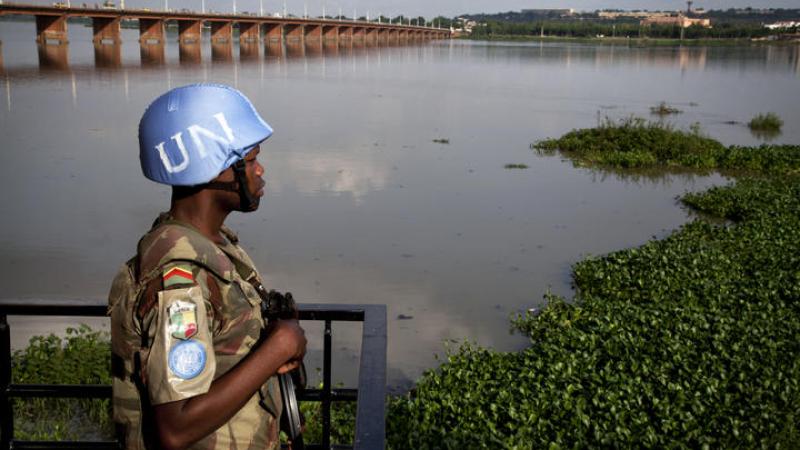
In this interview, Planetary Security Conference speaker Shreya Mitra stresses the necessity of analyzing the underlying causes and climate-sensitive approaches when responding to natural resource conflicts. As conflicts over natural resources play out in Mali, spillover effects can be felt throughout the Sahel region.
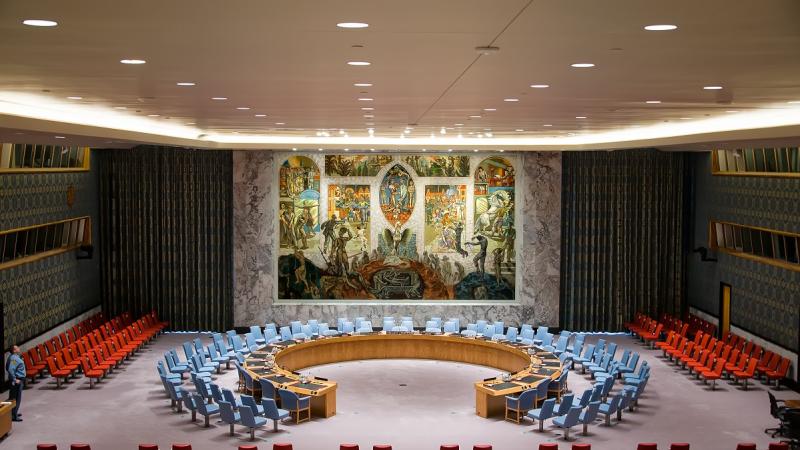
The contribution of water scarcity to conflict is often underestimated. According to Minister Kaag “water scarcity or an excess of water does not only pose an acute threat to society, but it can lead to violent conflicts and increased migration." Taking the Lake Chad crisis as an example, The Netherlands will devote explicit attention to water-security at the UN Security Council in New York.
This policy brief discusses how climate change related security challenges facing small island states have been addressed by the UN Security Council. Rising sea level poses a direct threat to their existence and intensified hurricanes resulted in chaos in the Carribean in 2017. This also has repercussions for international peace and security. Steps forward and alternatives are identified for addressing this agenda.
Prof. Ken Conca, Professor for International Relations at the American University, shares his view on the problems the UN Security Council faces in incorporating global climate-related security threats.