
Commentary published by the Institute of Baltic Studies, 31 March 2026.
The authors argue that climate change acts as a ‘threat multiplier’ - both in warmer and colder climates with varying quality of governance. In other words, it may not directly cause security risks, but it intensifies already existing tensions and instabilities by aggravating other issues. The effects of climate change are both exacerbating the underlying geopolitical tensions and negatively affecting the living standards of inhabitants.
One of the most contested issues at the climate-security nexus is climate-induced migration. This is often portrayed as a simple causal chain from environmental stress to displacement and instability. In practice, migration is rarely driven solely by climate factors: environmental shocks interact with poverty, economic insecurity (especially in agriculture-dependent regions), weak governance, and limited capacity to adapt. Again, climate change should be seen less as a direct cause of migration than as a threat multiplier that intensifies pre-existing vulnerabilities. There are, however, cases in which climate stress has been a critical tipping factor, rendering livelihoods or entire areas increasingly unviable, and in the future, these instances will become common.
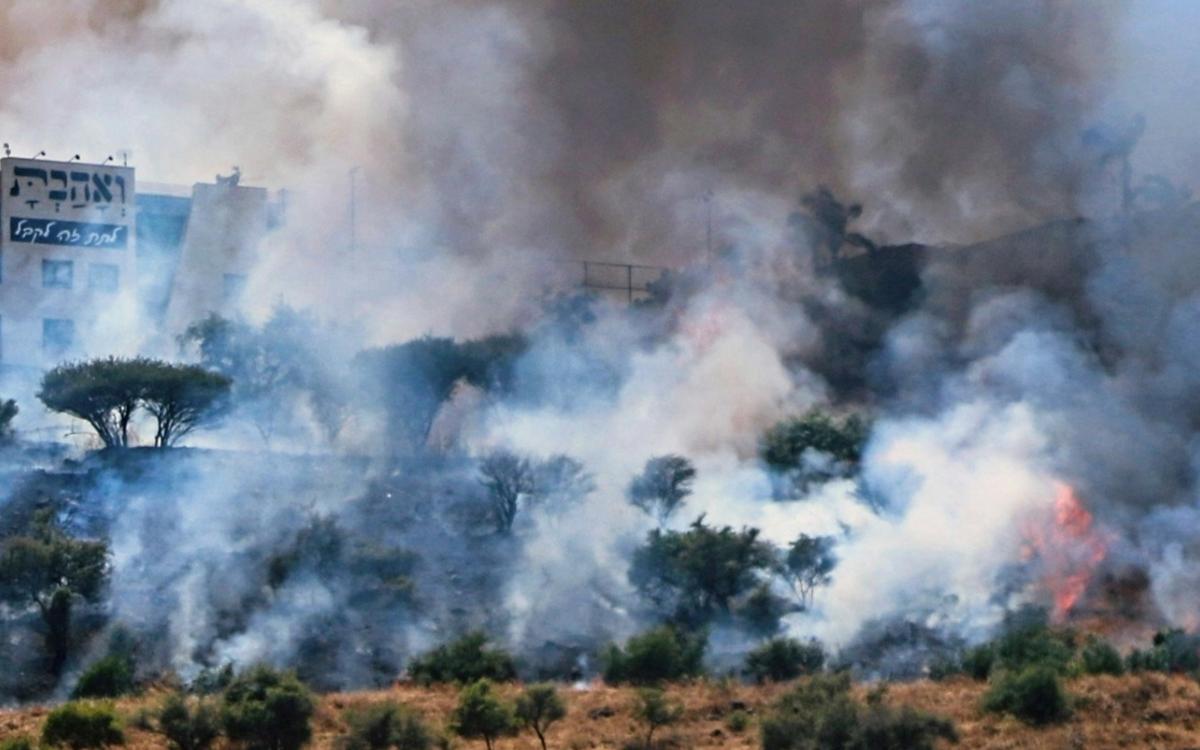
Another issue at the climate-security nexus involves vulnerabilities of food, water and energy security as resulting from conflicts. The war in the Middle East has major climate-related ramifications. Both sides of the war in Iran have specifically targeted energy infrastructure, such as oil refineries and liquefied natural gas (LNG) plants, a tactic also employed during the war in Ukraine. This has released significant amounts of pollutants into the atmosphere and is projected to cause long-lasting environmental damage and health risks to the population, promoting further instability.
What is being done
These developments show that climate policy and security policy are far more closely linked than they would first seem. NATO has long acknowledged the security problems associated with environmental concerns. Like the EU, they recognise the idea that climate change makes already fragile situations worse.
Investing in renewables, alternative fuels, and energy efficiency could help both achieve the EU’s climate goals and strengthen its security position. At the same time, developing new, more climate-fit solutions in military technology could give European armies a long-term advantage. This could allow them to shape a whole new approach to military technology and strategy. These investments would also spill over into the wider economy, advancing clean-tech innovation, revitalising parts of the defence industry, and creating new jobs. Studies point out that progress is slow and much of it remains talk rather than action. Militaries are not easy to transform. However, it is not impossible.
Perhaps even more crucially, building up adaptation capabilities and resilience to an increasingly warmer planet is needed. As it stands, both existing infrastructure and armed forces remain poorly prepared for the operational threats posed by climate volatility.
Photo by Haim Charbit on Unsplash
This text is based on extracts from the Commentary by Johann Erik Kukk and Johanna Maarja Tiik of the Institute of Baltic Studies. To read the full contribution, follow this link.