
Commentary by The Hague and Partners, 4 November 2026
More than 313 river basins worldwide are shared by two or more countries, making cooperation over water resources both a practical necessity and a security imperative. In a recent interview with the Hague and Partners, Clingendael research fellow Tobias von Lossow explains how water diplomacy can help countries manage tensions, maintain dialogue, and build cooperation around shared water resources.
Water diplomacy helps countries to move from water-related tensions and conflicts towards cooperation.
Tobias von Lossow highlights three key lessons:
- Looking beyond water volumes and recognising benefits: Effective water diplomacy goes beyond looking into how much water a country receives. By focusing on the benefits water provides - such as hydropower, irrigation, flood protection, navigation, or tourism - countries can identify opportunities for mutual gain, while also sharing the costs and responsibilities involved.
- Keeping channels of dialogue open: Although it sounds like a modest ambition, regular engagement remains valuable even when countries disagree. Ongoing communication allows neighbours to exchange information, raise concerns, and coordinate responses to droughts, floods, and other shocks. Maintaining dialogue can help prevent misunderstandings from escalating into broader disputes. As Tobias emphasises:
Understanding those differences matters: harmful consequences downstream do not automatically mean that an upstream country intended to cause harm.
- Water diplomacy is a continuous process: Water diplomacy is an evolving process. As climate change brings risks of "too much, too little, or too dirty water," diplomatic frameworks must adapt to changing environmental and political conditions. At the Clingendael Institute, research and diplomatic training go hand in hand, helping practitioners translate knowledge into effective cooperation over shared water resources.
This summary is based on extracts from a report published by the The Hague and Partners and written by Graziëlla Guarguaglini (International Media Coordinator). To read the full article, follow this link.
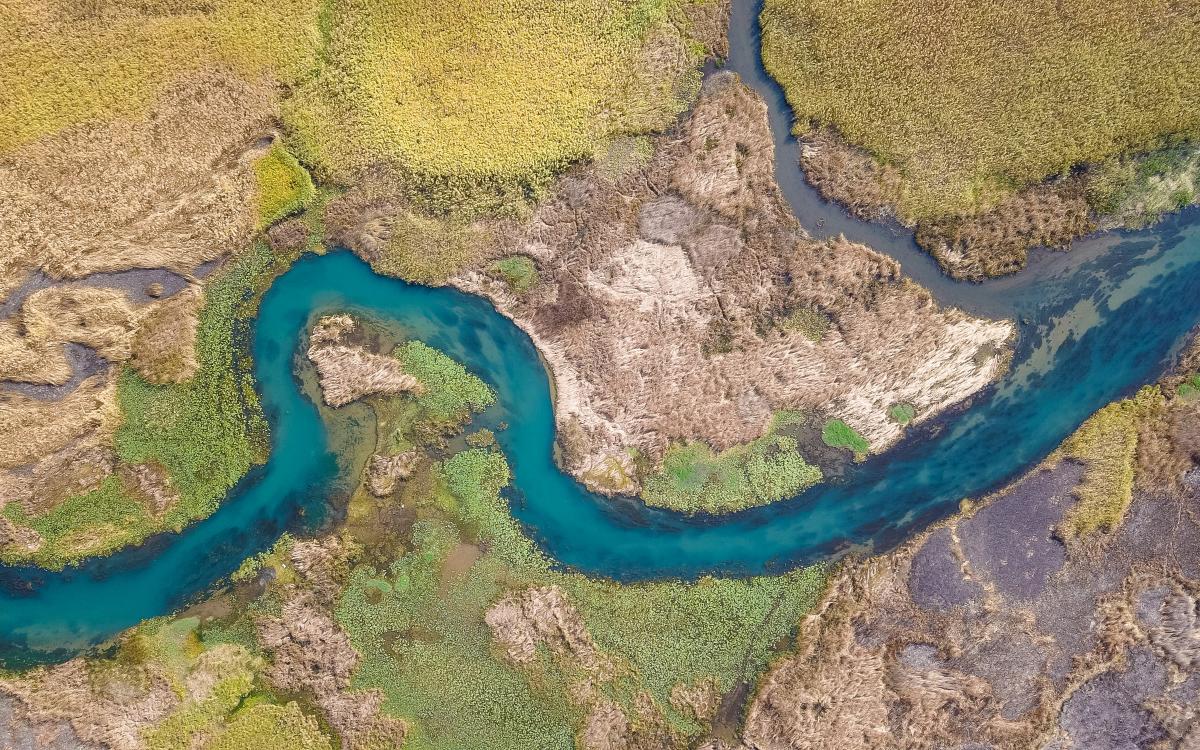
Photo credit: Ümit Yıldırım / Unsplash