With climate change opening up the Arctic region to great power rivalries, the Center of Strategic and International Studies has published its new Arctic Military Activity Tracker with the aim of accurately mapping military positioning in the High North.
The impact of the COVID-19 pandemic has been to suppress the revenue stream and ultimate security of governing regimes in many petrostates. This latest report analyses the contradictory impact of low oil prices on peace and stability and how oil-revenue sensitive states can adapt to mitigate such uncertainty.
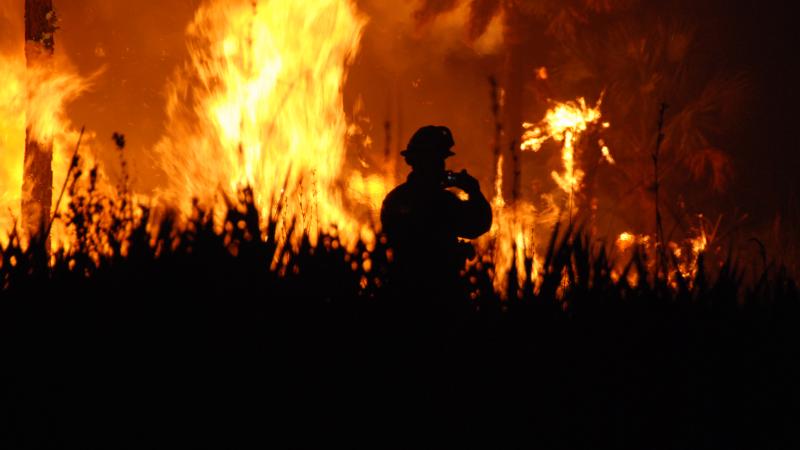
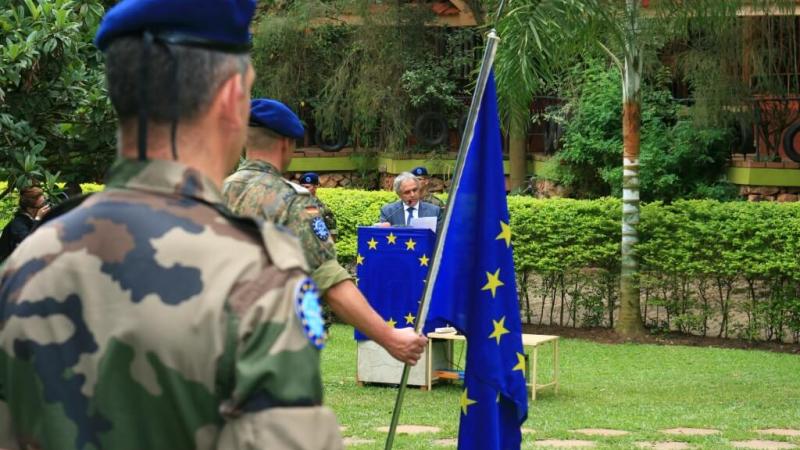
The Ministry of Defence has published its roadmap to becoming more resilient and sustainable to the effects of global climate change. With the aim to achieve these goals by 2050, the UK aims to transform its armed forces to become more robust to dealing with climate-induced threats, whilst also demonstrating global leadership in climate reforms.
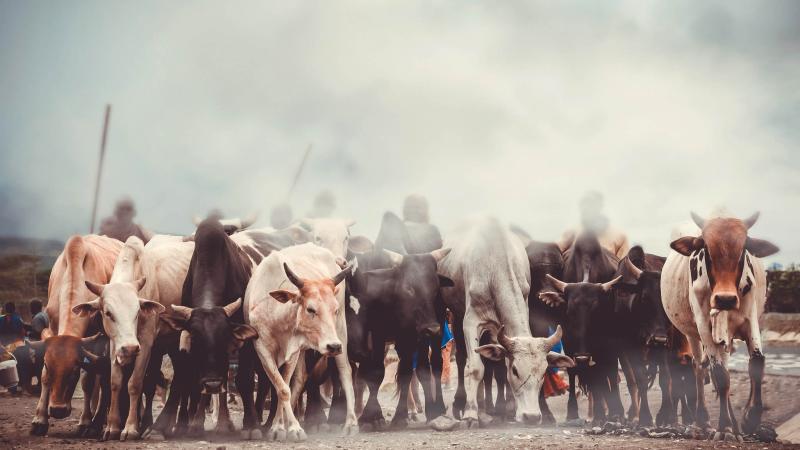
A new report by the Norwegian Institute of International Affairs raises concerns that South Sudan's vulnerability to climate change will contribute to security risks. The report spots three pathways where climate change is contributing to instability and puts forward three recommendations where the UN mission in South Sudan and the Sudanese government could adopt to bring peace.
The global quest for carbon-neutral, affordable energy is bringing two of Africa's economic powerhouses into conflict. Egypt and Ethiopia both depend on the Nile River to power their countries and without substantial bilateral cooperation, the situation risks spiralling out of control.